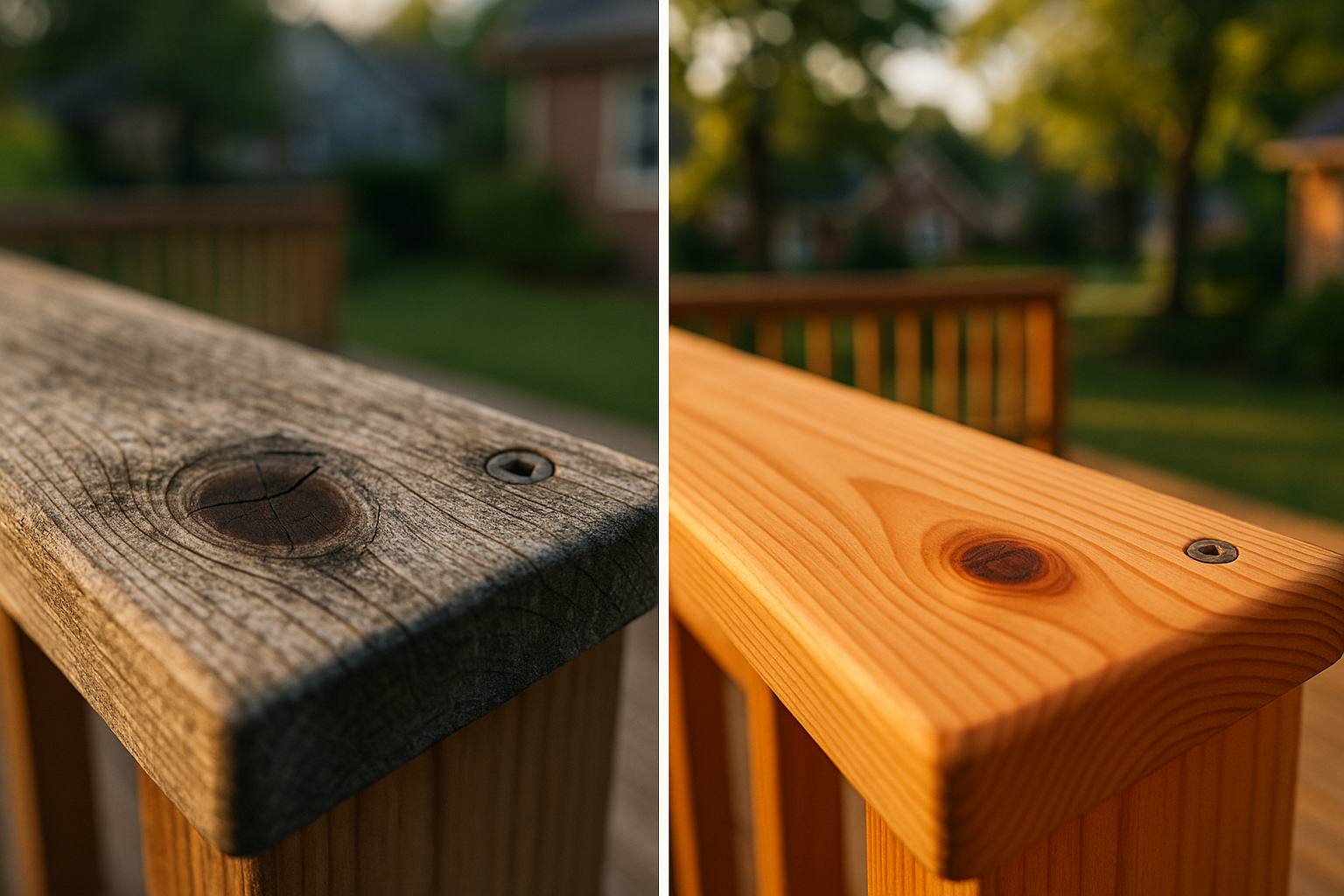
My buddy Mike lives up in Carmel. He's got a big golden retriever named Otis. Otis thinks the deck is his personal racetrack. Last spring, Mike showed me the damage: deep claw gouges in the cedar boards, a few splinters near the edge, and a stain from who-knows-what near the grill. He said, 'I just want something that won't look like a war zone after one season.' That's when we started talking about pet friendly decking. Not just any deck, but one built for claws, paws, and the occasional accident.
Turns out, a lot of Indianapolis homeowners with dogs or cats run into the same thing. Wood decks splinter, get slippery in the rain, and soak up smells. Composite and PVC boards solve most of those problems, but you have to pick the right stuff. As a deck contractor, I've seen what works and what doesn't when a 80-pound dog does daily sprints across the boards.
What Makes Decking Pet-Friendly Anyway?
A pet friendly deck isn't just about the surface. It's the whole set up. First, the boards should not splinter. Dogs run, slide, and sometimes chew. A splinter in a paw means a vet visit and a sad pup. Second, traction matters. Wet or icy boards are dangerous for pets and people. Third, it has to handle claws. Not full gorilla mode, but a dog's nails scraping on a rough patch shouldn't leave deep scratches. Fourth, easy cleanup. If your cat throws up on the deck, you don't want to scrub for an hour. Fifth, the gaps and railing need to be safe. Tiny paws can slip through wide openings. Last, the whole frame has to hold up under all that running and jumping.
Composite vs PVC vs Wood for Dogs
Mike asked me straight up: 'Is composite worth it for dogs?' My answer: usually, yes. Capped composite boards have a hard outer shell that resists scratches and stains way better than wood. They also don't splinter. Wood is cheaper up front, but it fades, needs staining every couple years, and splinters are a thing. PVC boards are lighter and can feel cooler underfoot, but softer PVC sometimes shows claw marks more than a good composite. For most Indy pet owners, a textured, matte composite is the sweet spot.
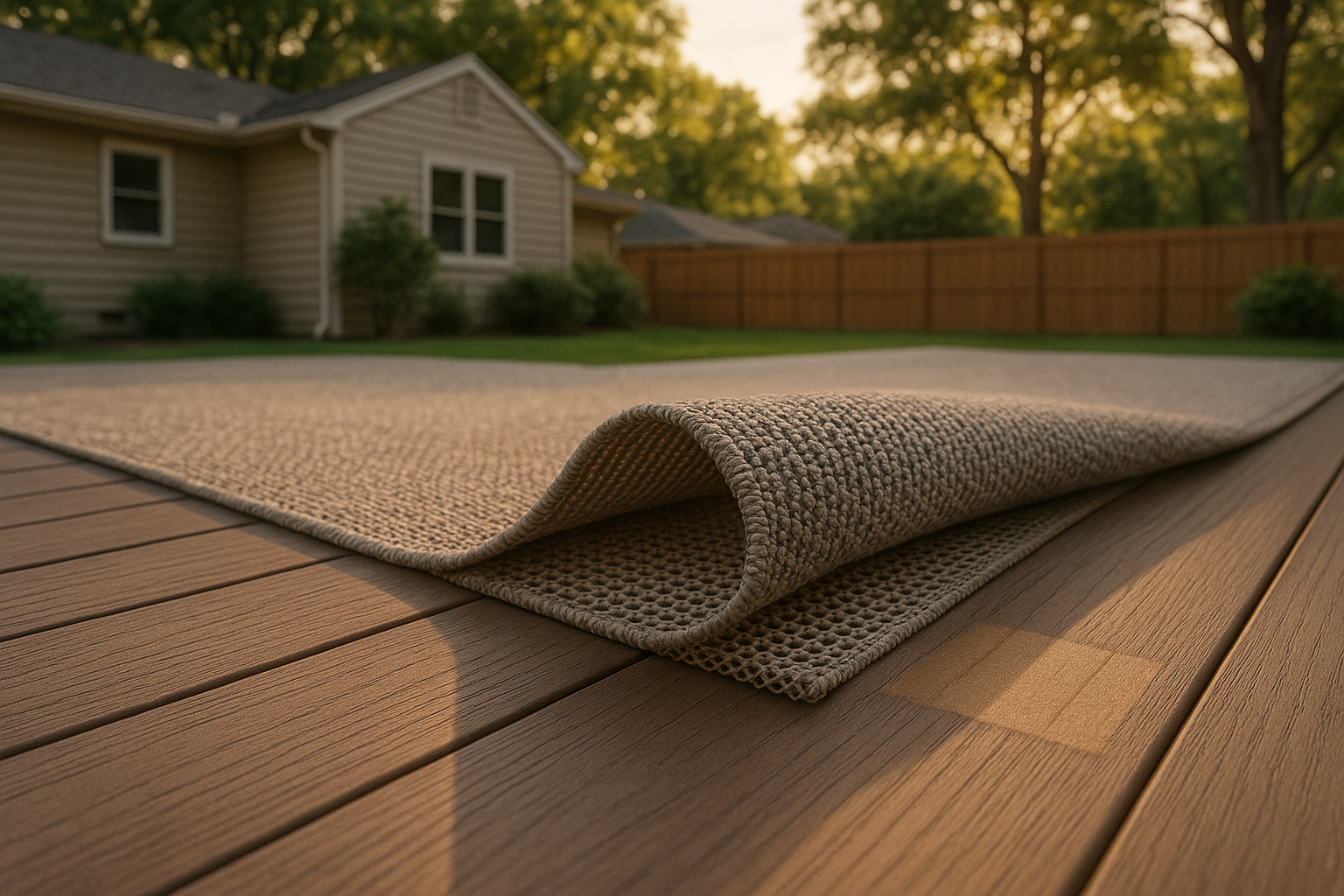
A lot of people worry about scratches on composite. Here's the deal: no deck is scratch-proof. But a board with a deeper emboss and multi-tone color hides micro-scratches really well. Keep your dog's nails trimmed, and put a runner mat by the door where they launch off. That helps a ton.
Heat and Paw Comfort in Indiana Summers
Indiana summers get hot. Real hot. Dark composite boards can reach 160 degrees on a July afternoon. That's bad for bare feet and worse for paws. So pick light-to-medium colors, and look for boards with a matte, textured cap. Those stay cooler than shiny dark boards. We've done our own barefoot heat tests—check out what we found about composite decking getting hot.
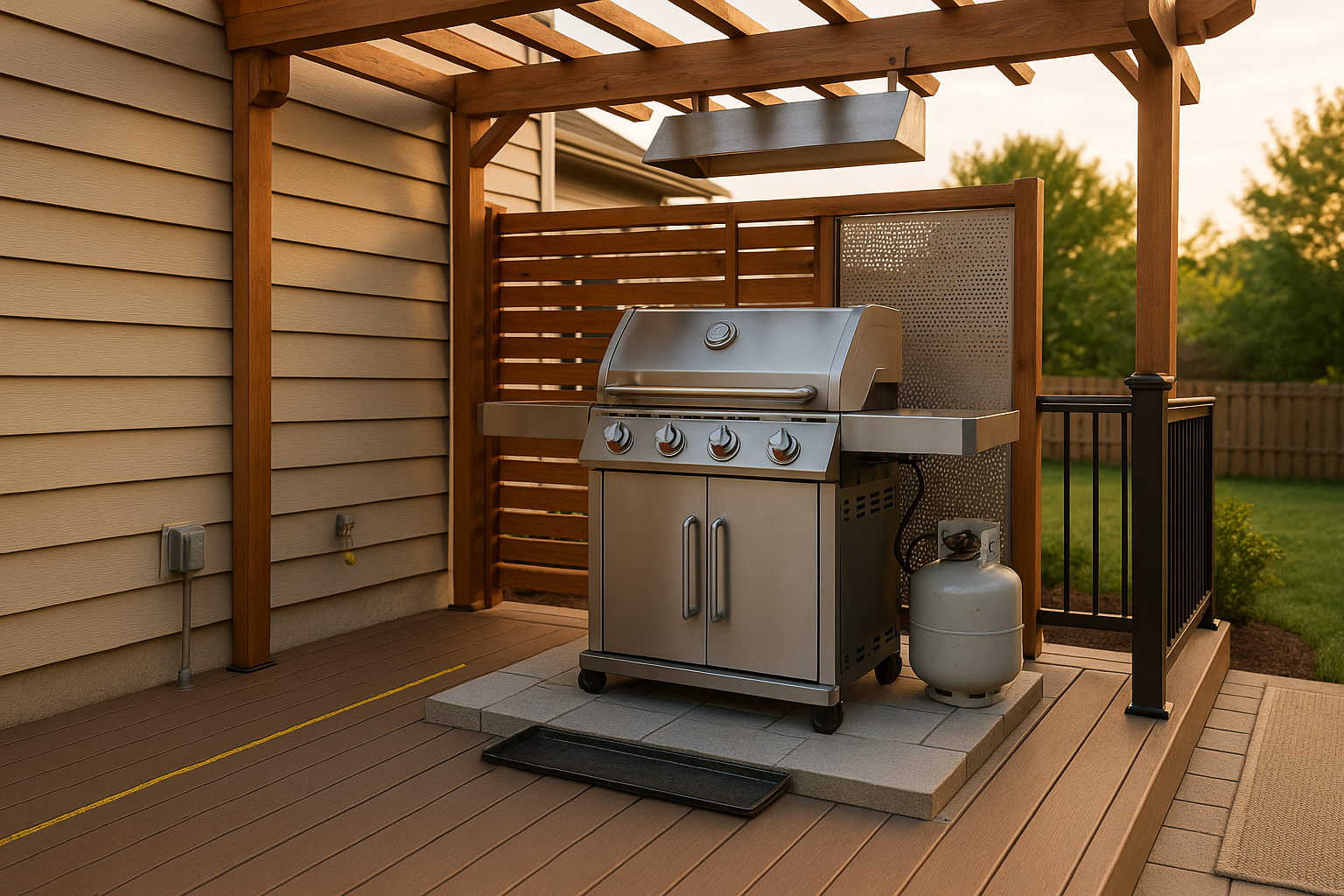
Shade is your best friend. A pergola, shade sail, or even a big umbrella drops the surface temp by 20 degrees or more. If you're adding a roof or screened area, we can help with that patio enclosure side, whether it's a simple arbor or a full screened porch off the deck. Good airflow under the deck also keeps things cooler, so don't close off the underside completely.
Traction, Gaps, and Railing Safety for Pets
Slippery decks scare me. In the winter, ice forms fast, and dogs have zero traction. Even in rain, smooth boards get slick. Look for slip resistant decking boards with a deep grain pattern. Matte finishes grip better than glossy. For stairs, add a contrasting nosing strip so dogs can see the edge. If you have a senior dog, a low-slope ramp with grip tape is a lifesaver.
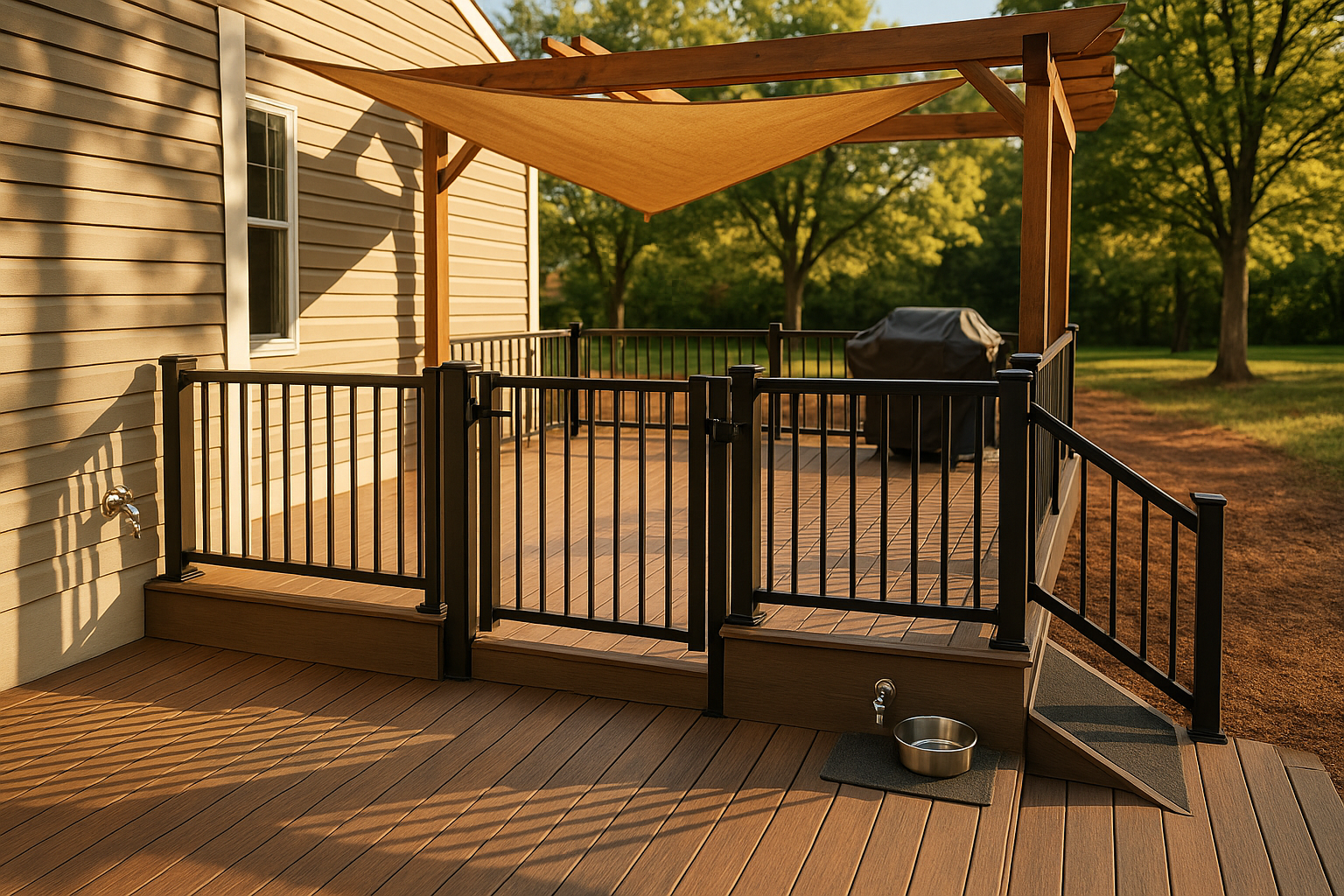
Board gaps matter too. Keep them tight enough that small paws don't slip through, but wide enough for drainage. We follow a deck board spacing guide that balances both. Hidden fasteners are great because there are no screws to catch a toenail. And the railing? As a railing contractor, I've seen puppies squeeze through wide balusters. Tighter spacing or a puppy-picket rail stops that. If you already have a fence or need one, getting the deck gate to match the fence style is one of those details that makes a difference. We do fence work too, so the gate hardware lines up and the latch is pet-proof.
Accidents, Stains, and Odors
Pets have accidents. It happens. The good news: composite and PVC don't absorb urine the way wood does. Rinse the spot with water, then use a pet-safe enzyme cleaner. Don't use bleach or harsh solvents—they can haze the cap. We have a full list of deck cleaning products and what not to use. For daily stuff, a quick hose-down works. If you've got a cat that likes to barf on the deck, just scoop and rinse. No drama.
Winter Care and Maintenance
Indy winters are rough. Rock salt will pit and stain composite. Use a pet-safe de-icer like calcium magnesium acetate. Plastic shovels or brooms are fine, but metal edges scratch. For traction on icy stairs, throw down some rubber mats. When spring comes, give the deck a gentle wash. You can pressure wash, but keep the PSI low and use a fan tip. We wrote a whole guide on safe pressure washing PSI for Indiana decks.
Underneath the deck, the framing matters big time. Clay-heavy soil around Indianapolis holds water, which leads to heaving and rot. Footings need to go below the frost line. Joist tape and flashing protect the framing from moisture. We always install that on new builds—it's cheap insurance. Read more about frost depth and footing requirements here.
Design for a Pet-Ready Deck
Think about your dog's daily routine. Where do they run? Where do they rest? Add a shaded corner with a water bowl and a hose bib nearby. If you have a reactive dog who barks at passersby on the sidewalk, a privacy screen or solid railing section blocks the sightline. Gates with self-closing hinges keep them from bolting. For older dogs, a ramp instead of stairs saves their hips. These are small things that make the deck feel like their space, not just yours.
Cost and Value in Indianapolis
Pet friendly decking isn't cheap. Composite costs more than wood up front, but you won't spend weekends sanding and staining. Plus, it lasts longer and resists pet damage better. If the budget is tight, we can discuss deck financing options for Indianapolis homeowners. Most people find the extra cost pays off within a few years of not dealing with splinters, rot, and re-staining.
Next Step: Let's Plan Your Pet-Safe Deck
We work all over the Indy area—Carmel, Fishers, Zionsville, Westfield, Noblesville, Greenwood, Brownsburg, Avon, Plainfield. We know the HOA rules, the permit process, and the local climate quirks. If you want a deck that stands up to claws, heat, and the occasional puddle, let's talk. It starts with a simple walkthrough. We'll look at your yard, ask about your pets, and figure out the best material and layout for your budget. Then you get a clear quote and timeline. No pressure, no fluff.
Schedule your pet-focused deck consult and quote. We'll help you build something Otis will love—and you won't have to resand every spring.
Thinking about your own deck or pergola?
Free in-home design consultation, 3D rendering, and a written quote — no pressure.