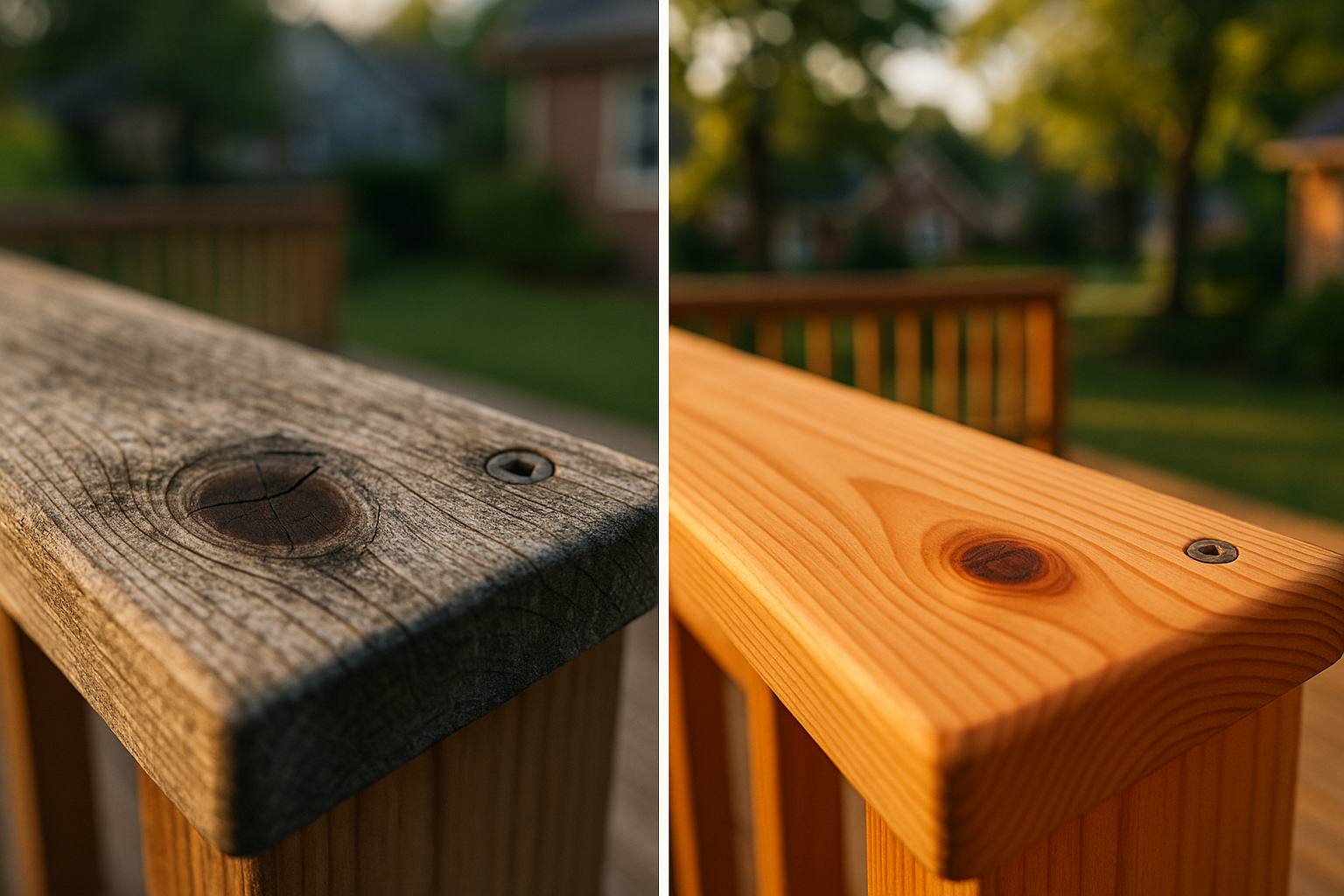
Last spring, a homeowner in Fishers called us out because the underside of his deck smelled like a wet basement. The deck boards themselves looked fine, but when we crawled underneath, the framing was black in spots and soft to the touch. The culprit? He'd enclosed the skirting with solid panels to keep critters out and make it look tidy. But he never thought about air movement. That trapped moisture turned the joists into a fungus farm. The fix wasn't cheap—we had to replace three joists and sister two more. The lesson? Under deck ventilation isn't optional around here.
Why Airflow Under a Deck Matters More Than You Think
Moisture under a deck is a silent killer. When air can't move, humidity from the ground and rain splash sits against the wood framing. Over time, that dampness leads to mold, wood rot, and rusting fasteners. Even composite decking—which doesn't rot itself—needs dry framing underneath. I've seen decks in Carmel and Zionsville where the composite boards looked brand new, but the joists underneath were crumbling. Proper under-deck airflow lets things dry out between storms, and that extends the life of the whole structure by years. If you've already got soft spots, replacing a single rotten deck board is only part of the fix. You have to solve the ventilation problem or you'll be back underneath again next spring.
How Indianapolis Weather Makes Things Worse
Central Indiana has a special talent for trapping moisture under decks. Humid summers mean the air itself is full of water. Spring thunderstorms dump inches of rain, and the clay-heavy soil in places like Greenwood and Avon drains slowly. Then winter brings freeze-thaw cycles: snow melts, water seeps into cracks, freezes again, and expands. That pressure can split wood fibers and loosen nails. If the underside of your deck stays damp all winter, you'll notice nail pops and loose boards. We covered how to fix those fasteners in another post, but the root cause is usually poor under deck ventilation. Add in leaf litter from all the oaks and maples in Brownsburg and Noblesville, and you've got a perfect recipe for rot.
Skirting, Vents, and Keeping Pests Out
A lot of folks in Indianapolis want their deck skirting to look clean and solid. That's fine, but you can't seal the space up like a sealed container. The best approach is vented deck skirting—panels with louvered openings, lattice with larger gaps, or solid sections with continuous air gaps at the top and bottom. The goal is to let air move in low and out high, or side to side. You also need to keep pests out. Here's the good news: you can have both. Use deck skirting vents with hidden insect screens behind the openings. Set the bottom of the skirting a couple inches above the gravel so air can slip under, but not enough for a raccoon to wriggle in. If you're worried about road dust or leaves, choose louvered panels that angle downward and reject debris. As a fence contractor, DeckPros often builds custom skirting that matches a homeowner's fence style, so the vents don't look like an afterthought.
Multi-Level Decks and Under-Deck Ceilings
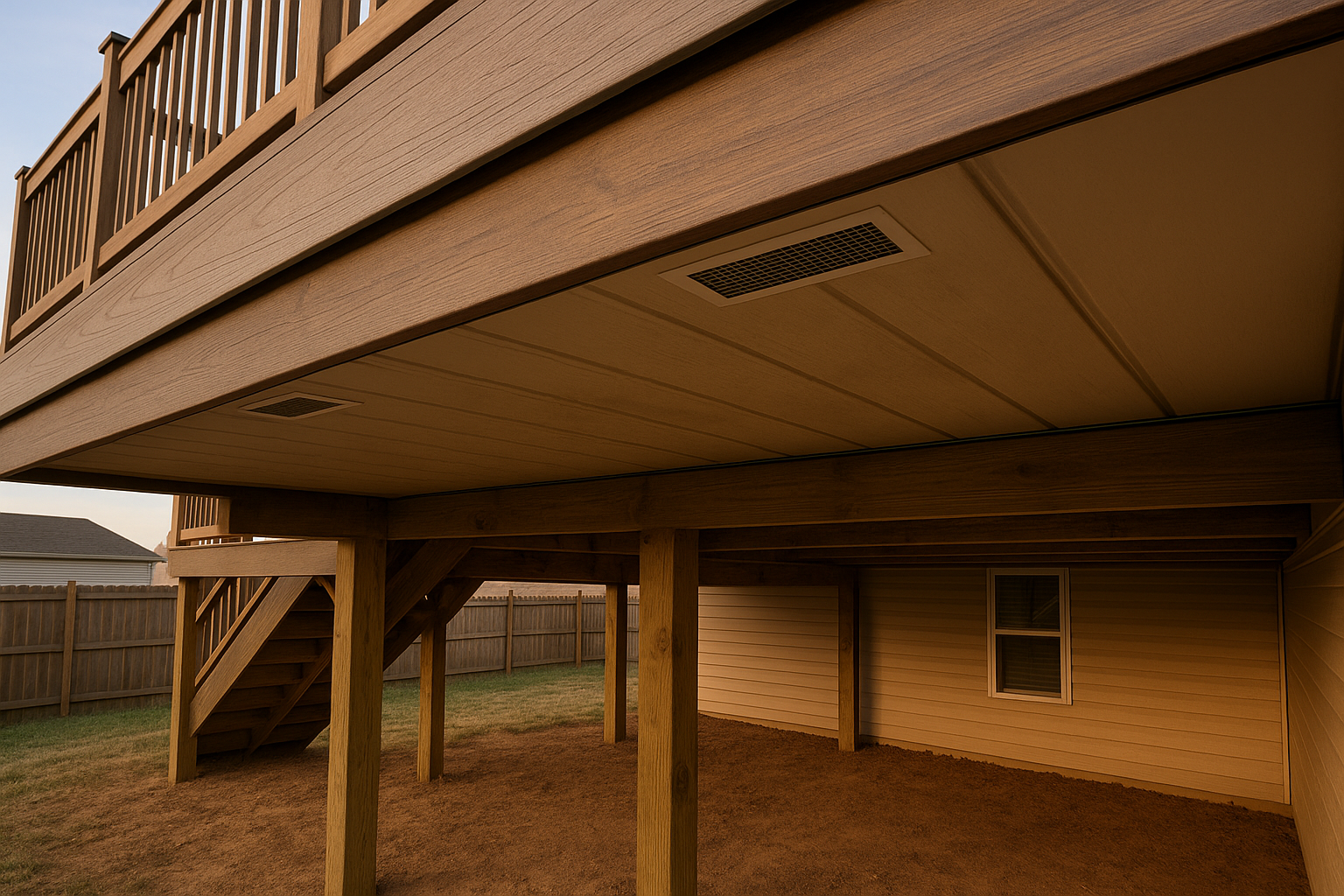
Multi-level decks are awesome for outdoor living, but they create shade. The upper level blocks sun and rain from reaching the lower deck's underside, so that area stays damp longer. You need to plan for airflow between the levels. A roof-style under-deck drainage system can turn the lower area into a dry patio, but even then you need ventilation. Think of it like a house attic: you need intake vents at the beam line and exhaust vents at the outer edge, otherwise the trapped humid air condenses on the ceiling panels and drips. When DeckPros installs an under-deck ceiling as a patio enclosure supplier, we always integrate soffit vents or a small continuous slot at the rim. That keeps the space dry without making it stuffy. And as a railing contractor, we also pay attention to how railing designs affect airflow near the deck edge—solid glass panels or tight picket spacing can block cross-breezes, so we might space balusters a bit wider or add a lower vent strip.
Ground Treatment and Drainage Under the Deck
Airflow alone won't fix everything if the ground beneath your deck is a mud pit. The soil should slope away from the house, so water doesn't pool against the foundation. In Indianapolis's clay soil, that slope is critical. Then lay down landscape fabric and a few inches of washed gravel. The gravel lets water drain down instead of sitting on the surface, and the fabric keeps weeds from popping through. For maximum protection, especially if you store stuff under the deck, add a polyethylene ground vapor barrier under the gravel. That blocks moisture rising from the dirt. Before you dig any trenches for drainage pipes or put in a new deck, call 811 to mark utilities. It's free and fast.
Low-Clearance Decks and Other Special Cases
Got a deck that's only a couple feet off the ground? You might think ventilation is impossible, but it's not. In fact, low-clearance decks often suffer the worst moisture problems because there's less air volume to dilute humidity. The trick is to maximize edge ventilation: keep the skirting as open as possible, use a continuous gap at the bottom, and add vents at both ends to encourage a cross-breeze. Gravel coverage matters even more here because you can't get under there to fix things easily. If you have a low deck in Westfield or Plainfield, don't ignore the musty smell. Call a contractor who knows how to work in tight spaces.
Winter and Seasonal Maintenance
You might think closing up vents in winter would keep the space warmer, but that's a mistake. You want airflow all year. Snow melt and humidity from the ground don't take a break in January. If you seal the vents, that moisture stays trapped and freeze-thaw cycles do more damage. Instead, keep vents open and make sure snow doesn't pile up against the skirting. If you have an under-deck ceiling, check the gutters and downspouts after leaf season. Clogged drains send water right back under the deck. A quick rinse with a hose every fall and spring keeps vents clear of pollen and debris.
Time to Stop Guessing About Under-Deck Airflow
If your deck smells musty, the framing feels damp, or you're planning a new multi-level deck in Indianapolis and want to use the space below, don't try to piece it together from YouTube videos. Every yard is different—slope, soil, shade, HOA rules—they all change the ventilation plan. DeckPros has fixed enough under-deck problems from Carmel to Greenwood to know what works. We'll map out the airflow, drainage, and material options, and give you a clear scope and estimate. Request an on-site assessment and design plan here. Your joists will thank you.
Thinking about your own deck or pergola?
Free in-home design consultation, 3D rendering, and a written quote — no pressure.