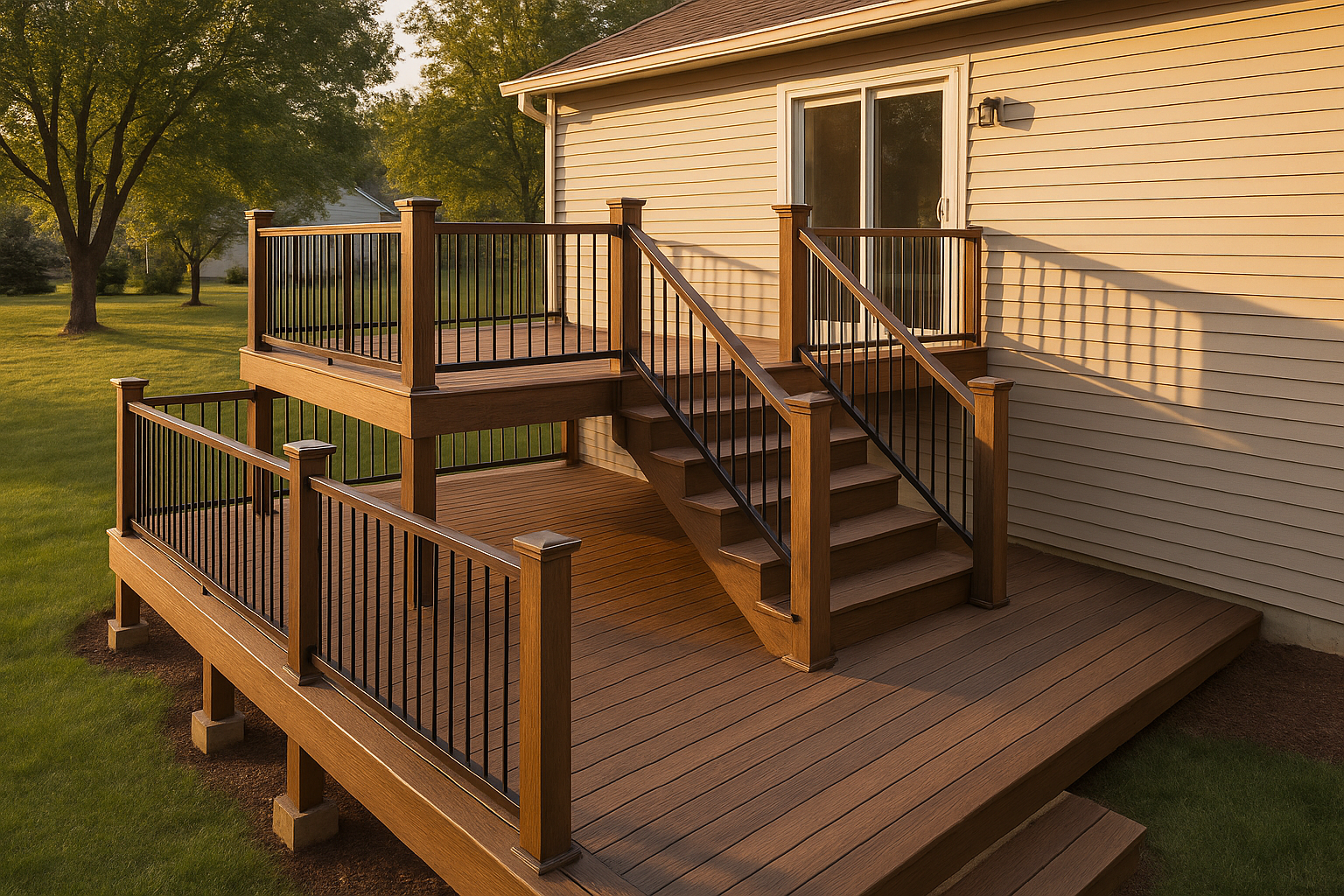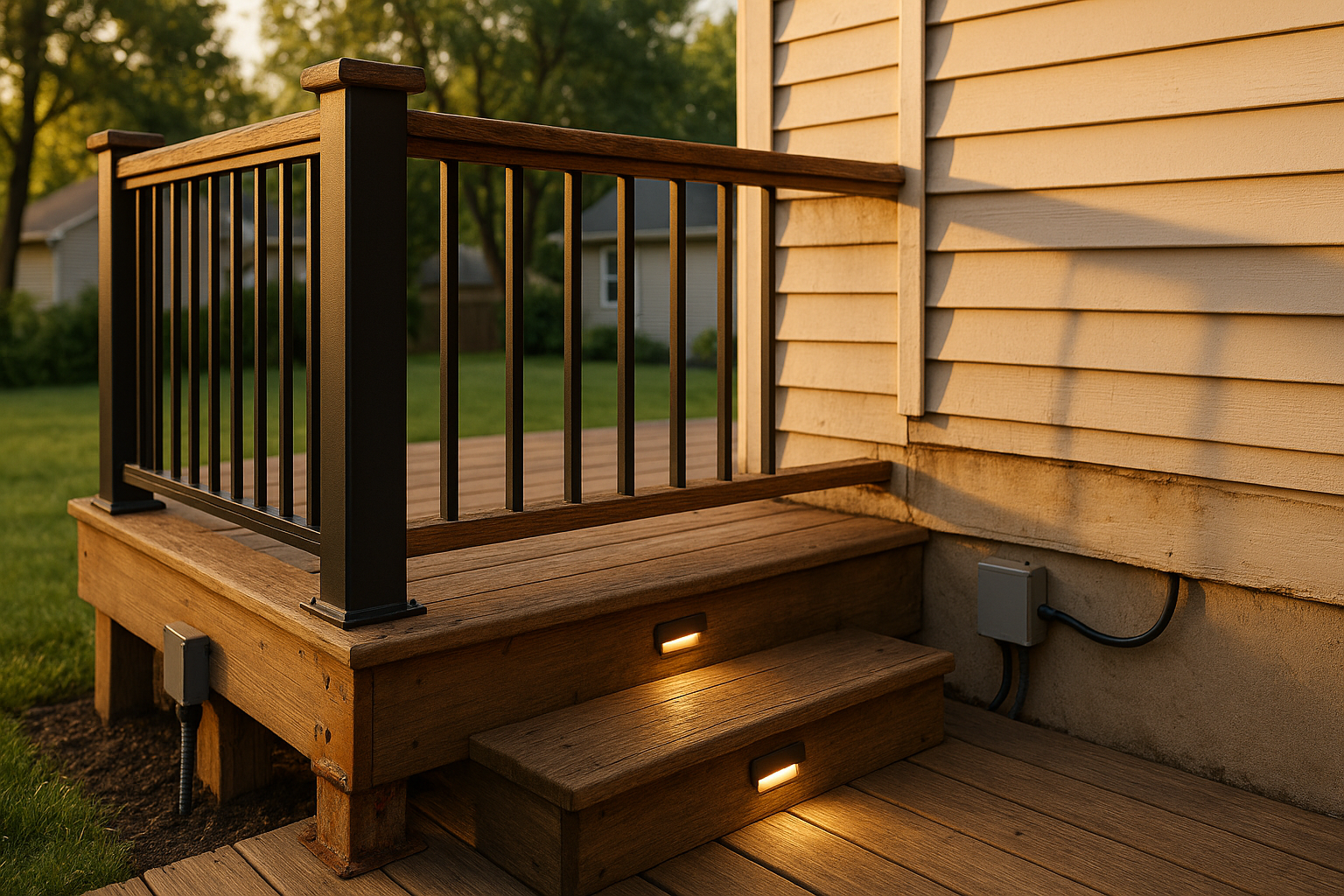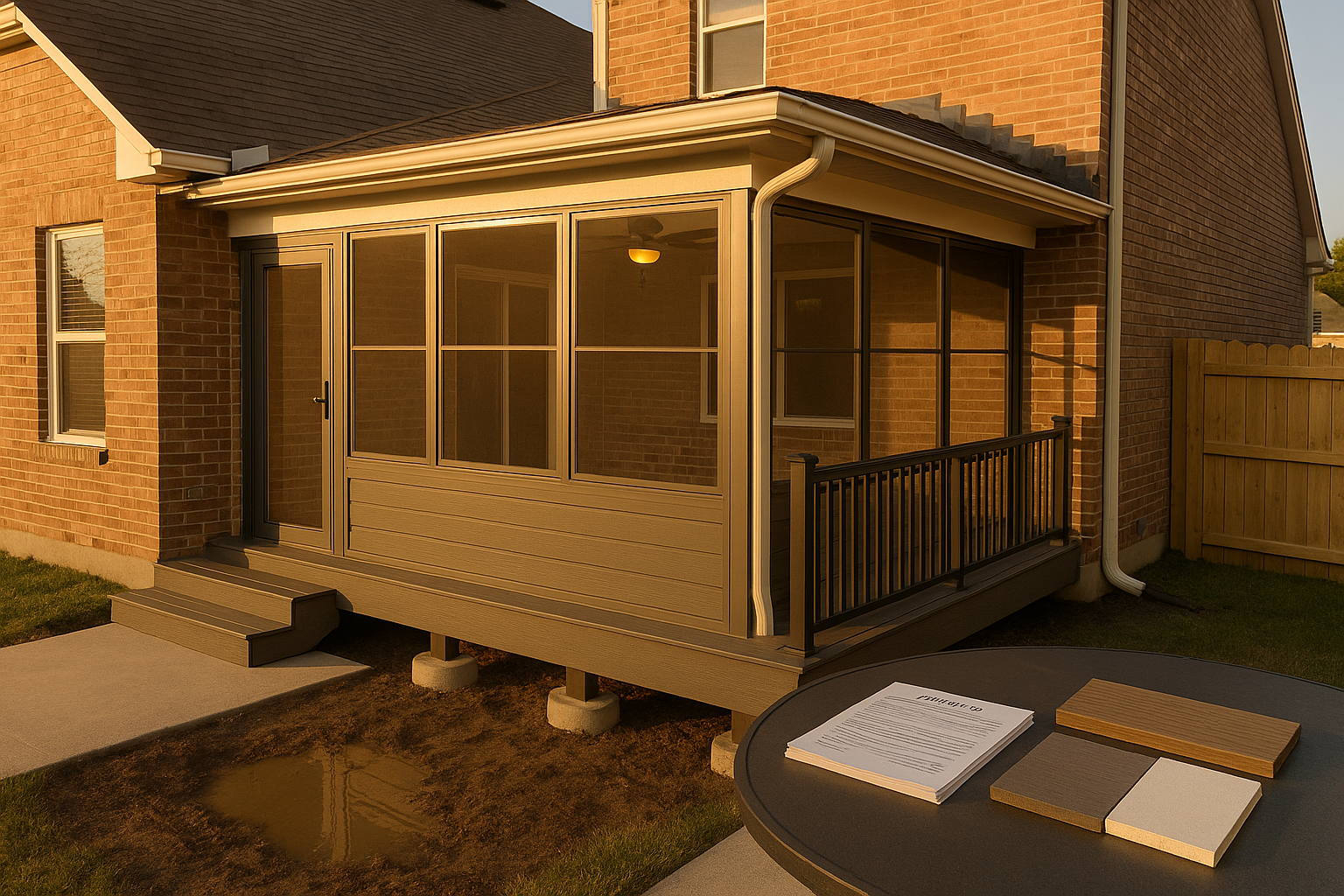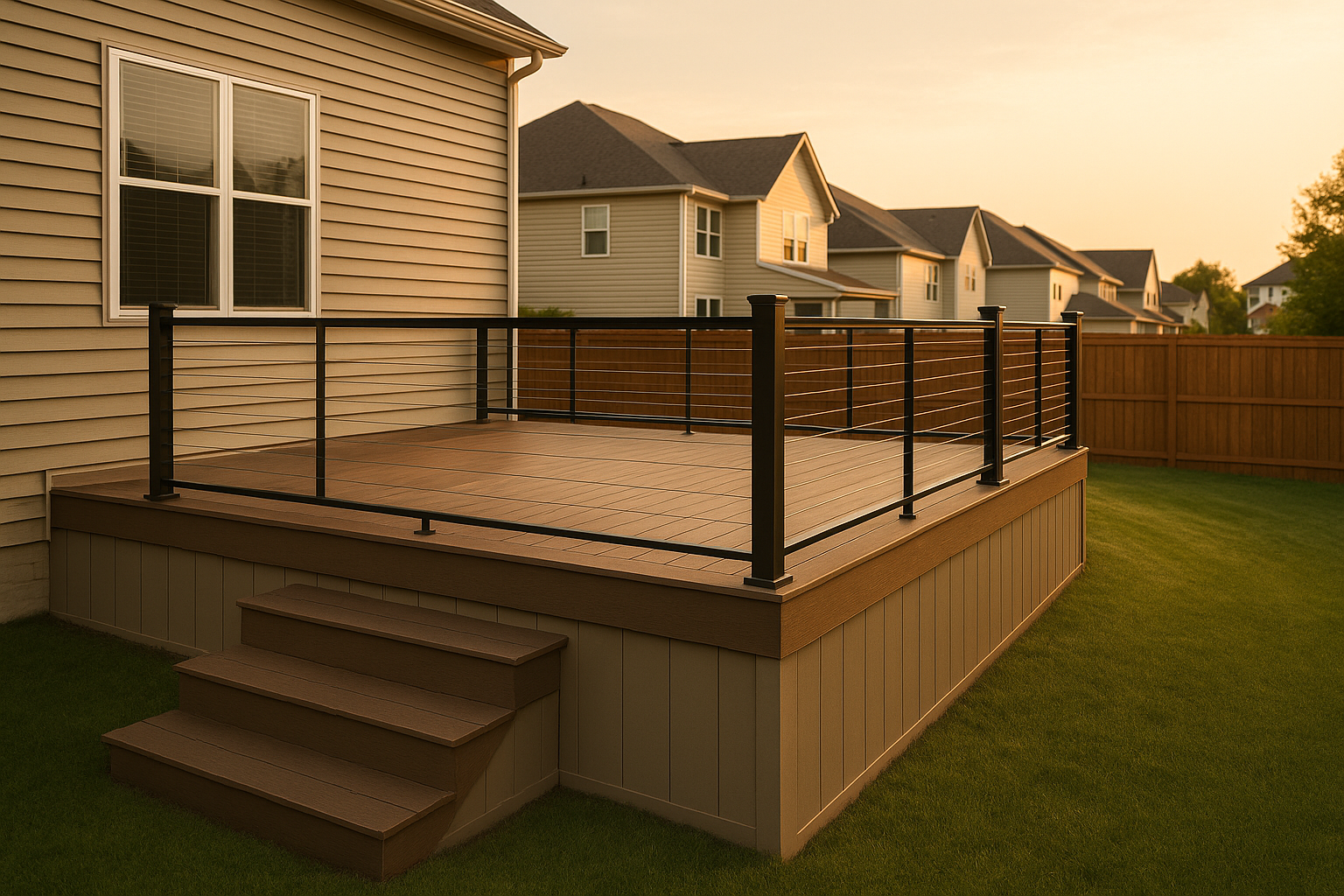
Last spring I got a call from a homeowner in Fishers who'd just finished a raised deck off the back of the house. Up top it was beautiful—composite boards, sleek railings. But down below? Open framing, a pile of leftover lumber, and a family of groundhogs that had already moved in. He said the deck looked like a half-finished construction site from the backyard, and his neighbors weren't shy about mentioning it. That's exactly where deck skirting ideas come in. Skirting is the panel or material you install around the perimeter of an elevated deck to close off the space underneath. It hides the framing, keeps critters out, and gives the whole deck a finished look. But there's more to it than just nailing up some lattice.
Why Deck Skirting Matters More Than You Think
Here in central Indiana, we deal with humid summers and freeze–thaw winters. If you leave the underside of your deck open, moisture can build up, framing can rot faster, and animals like raccoons, skunks, and groundhogs will happily set up camp. Skirting helps manage that, but only if you do it right. The biggest mistake I see? Treating skirting like a solid wall. Trapping moisture behind panels is a recipe for mold and warped joists. Good skirting always includes ventilation—consistent airflow that keeps things dry. As a contractor, I've repaired plenty of decks where the homeowner sealed everything up tight 'to keep pests out' and ended up with a soggy, rotting mess under there. The goal is to block pests but let air move.
Deck Skirting Ideas for Every Style and Budget
Let's talk about materials. The classic is lattice, but please don't just staple flimsy plastic lattice to the posts. That stuff looks cheap and warps in the sun. Frame it properly with 2x2 or 2x4 ground-contact lumber, and use PVC lattice instead of wood if you can. It holds up way better through freeze–thaw cycles and doesn't need painting. A modern twist is horizontal slat skirting—1x4 or composite boards with consistent gaps. It gives a clean, shadow-line look that works great on contemporary homes in Carmel or Zionsville. Vertical board-and-batten is a farmhouse style that pairs well with the older neighborhoods in Broad Ripple or Meridian-Kessler. For a truly seamless look, composite fascia panels from your deck brand can be color-matched to the decking. Just remember you'll need to add vented sections or hidden louvers so air still flows.
Metal skirting, like powder-coated aluminum, is another option that's tough and crisp, but you have to leave a small gap at the bottom for drainage. Stone veneer skirting looks high-end and permanent—great on the front of a deck facing the street, with vented slats on the sides to balance cost and airflow. And if you want something softer, consider a landscape-forward approach: river rock or gabion baskets with a few horizontal slats above. That's a look I've seen work really well in Avon and Plainfield where lots are a bit more open.
The Details That Make or Break a Skirting Job
Before you pick a material, get the ground right. Put down weed fabric and 3–4 inches of washed river rock or gravel under the deck. That keeps mud from splashing up and gives water a place to drain. In Indianapolis, the soil is heavy clay, so water just sits if you don't give it an escape. Also plan an access door—a framed panel or hidden door that lets you get under the deck for storage, utility shut-offs, or inspection. I've had homeowners forget this and then have to crawl through a tiny gap to fix a sprinkler line. Not fun.
Moisture control is huge. Leave a small gap (around 1 inch) between the bottom of the skirting and the ground. Don't bury panels. Slope the grade away from the deck so water runs off. For freeze–thaw, use slotted fasteners or floating panel systems that allow slight movement when the ground heaves. If you're using metal panels, don't overdrive screws—that causes oil-canning. And if you're worried about pests, add a galvanized mesh behind decorative panels. That stops animals without blocking airflow.
What About Cost and DIY?
Skirting cost depends on material and linear footage, but expect to pay more for composite, metal, or stone veneer than for basic wood lattice. DIY is possible, but getting the framing right and the ventilation correct is trickier than it looks. We've taken over projects where the homeowner spent a weekend trying to staple lattice and it looked saggy and uneven. A professional installation usually includes proper framing, hidden fasteners, and access panels—and it'll hold up to Indiana's winters. If you're in a neighborhood with an HOA (common in Carmel, Fishers, Zionsville, Westfield, Greenwood), they often have rules about colors and panel styles, so getting it right the first time saves headaches.
Bringing Your Deck, Railing, and Fence Together
Your skirting shouldn't be an afterthought. It should tie in with the rest of your outdoor space. If you have a deck railing, color-match the skirting to the railing posts or balusters. We install both, so we can help you get that coordinated look. If your yard has a fence, repeating a board pattern or color from the fence can make the whole property feel cohesive—like a continuous design instead of separate projects. And if you're thinking about enclosing the space under your deck to make a covered patio or storage area, that's something we can plan for with the skirting design—think of it as a partial patio enclosure supplier approach. We'll frame openings for a door or leave space for future screening.
Let's Talk About Your Deck's Skirting
Deck skirting is one of those projects that changes how you feel about your backyard. It's not just about looks—it's about protecting your framing, keeping pests out, and adding value. If you're in Indianapolis, Carmel, Fishers, Zionsville, Westfield, Noblesville, Greenwood, Brownsburg, Avon, or Plainfield, we'd love to take a look at your deck and walk you through the best skirting ideas for your home. No pressure, just a straight talk about what will work and what it'll cost. Reach out through our quote form and we'll set up a time to come by.
Thinking about your own deck or pergola?
Free in-home design consultation, 3D rendering, and a written quote — no pressure.