Last spring, my neighbor Tom called me over in a panic. He'd been pressure washing his back deck—a big, beautiful thing he'd built himself ten years ago—when his foot went right through a board. The wood looked okay from above, but underneath, the joists were spongy and dark, rotted from years of trapped moisture. He thought he'd get another decade out of it, easy. Instead, he was looking at a full rebuild. That's the thing about decks in Indiana: the real story isn't always what you see.
So how long does a deck last around here? It depends more on what you can't see than the decking surface itself. Let's walk through what makes a deck survive—or fail—in Indianapolis weather, and whether composite or wood is the smarter long-term bet.
What Makes a Deck Last—or Fail?
The decking boards you walk on usually aren't the first thing to go bad. It's the stuff underneath. Ledger connections, joists, fasteners, flashing—the hidden skeleton. In Indiana, freeze-thaw cycles push and pull on every screw and nail. Humid summers invite mold. Clay soil shifts with moisture, messing with footings. A deck built twenty years ago might still look fine from above while silently rotting at the house connection.
I remember a job in Zionsville where the ledger was attached directly to the siding with no flashing. Water dripped behind it for years until the rim joist of the house turned to dust. The deck surface was still solid, but the whole thing had to come down. That's why, when we build at DeckPros, we obsess over water management. Proper flashing, joist tape, and ventilation aren't extras—they're what keep a deck standing.
Wood vs Composite: Real Lifespans in Indiana
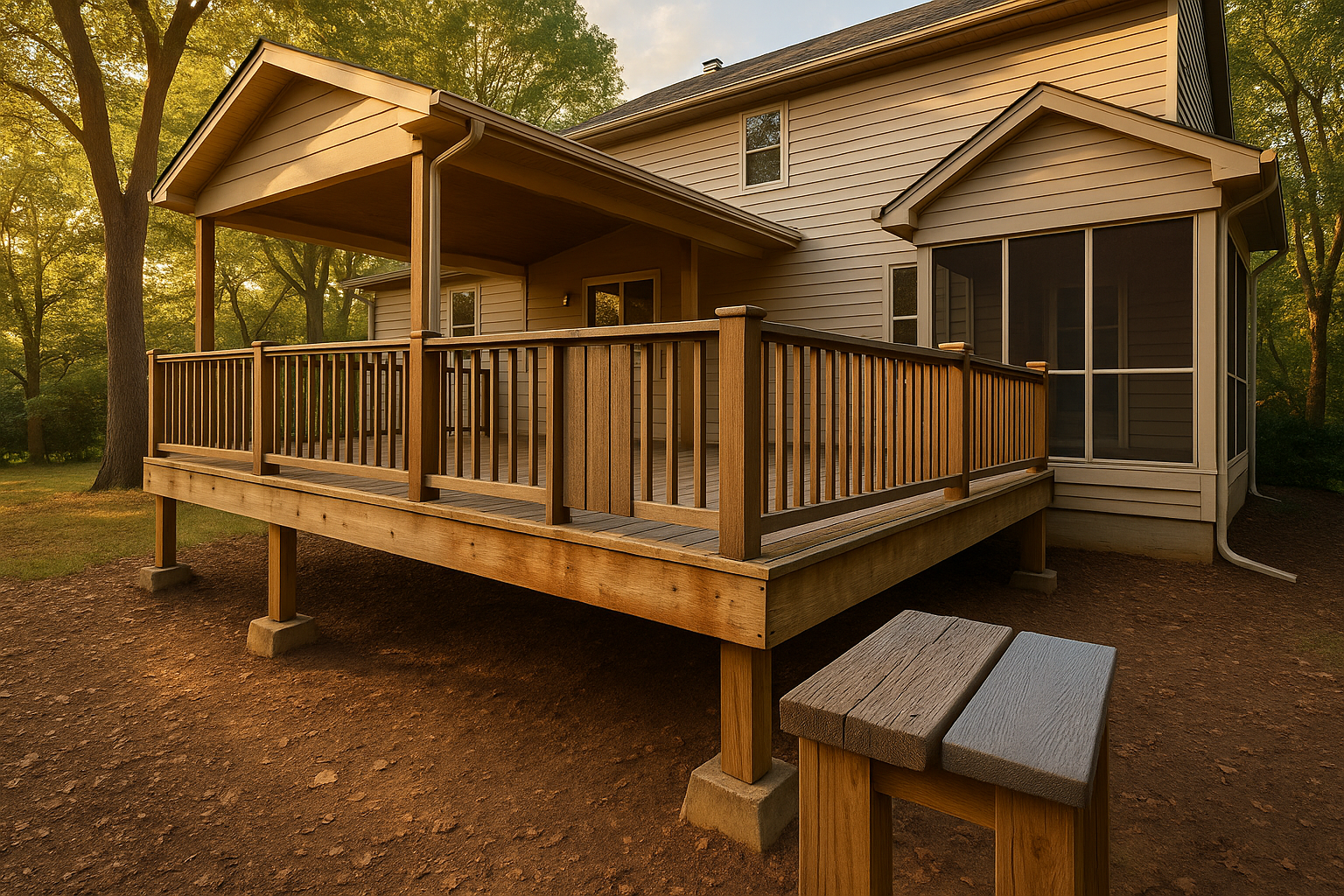
Pressure-treated wood is the classic. Stained and sealed every couple years, it can last 10 to 15 years before boards start to crack, cup, or rot. Skip the maintenance for a season or two, and you might get half that. I've seen wood decks in the Meridian-Kessler area that were mush after 8 years because the owner just didn't have time to keep up with refinishing.
Composite decking—especially the newer capped composite boards—is a different animal. It won't rot, splinter, or get eaten by bugs. In normal central Indiana conditions, you can expect 25 years or more out of quality composite. Most come with a 25- or 30-year limited warranty against staining and fading. Now, does composite look fake? Ten years ago, maybe. Today, top brands have grain patterns that could fool you from six feet away. And yes, darker colors get hot in full sun. If your deck faces south or west with no shade, pick a lighter shade or plan for an awning. Composite won't grow mold as readily as wood either, but in our humid summers, it still needs an occasional rinse to keep pollen and mildew from building up.
The Hidden Killer: What Goes Wrong Under the Boards
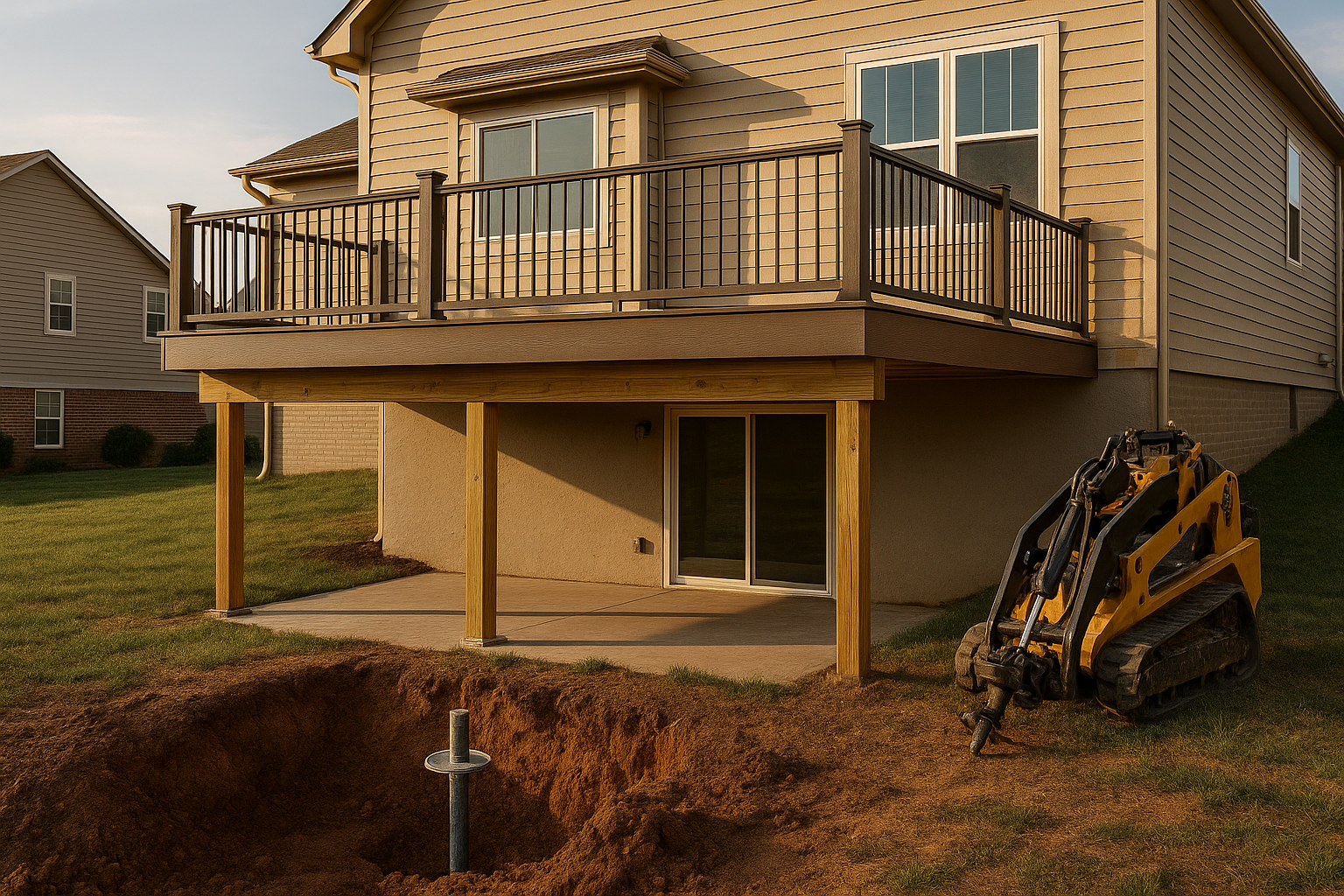
Even if you spring for the fanciest composite, if the framing is falling apart, you've got problems. We inspect a lot of older decks where the joists are spaced too far apart, the ledger bolts are rusting, or the footings have sunk. That's when you have to decide: resurface or rebuild?
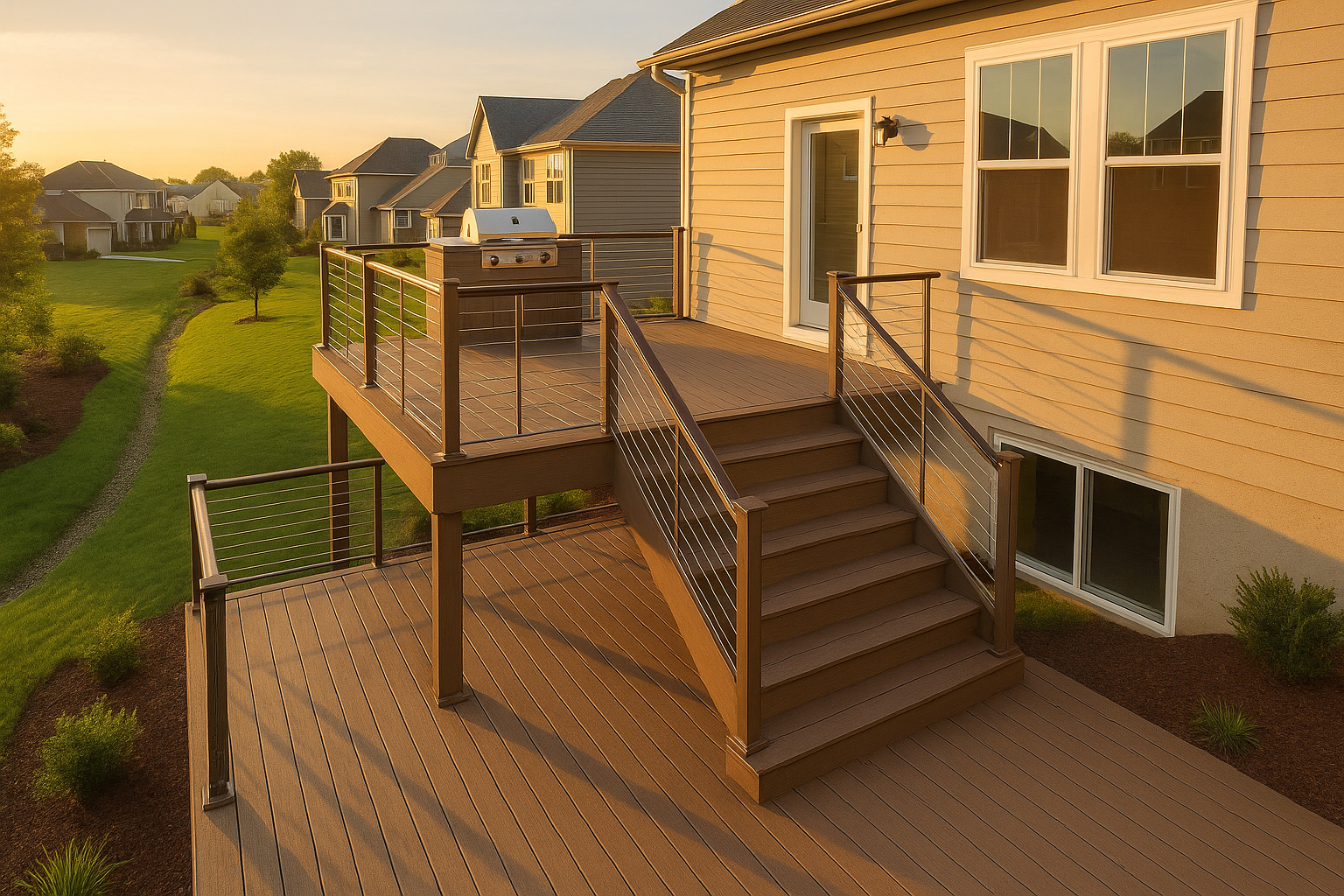
A quick tip: if you can poke a screwdriver into the joists near the house or around the stairs, you probably need new framing. If the frame is solid but the decking is worn, resurfacing with composite can give you a like-new deck without the full tear-out. And while we're at it, we always check the railings. Wobbly rails or outdated code heights are a safety hazard—and honestly, they make a deck feel cheap. Our railing crew can install sturdy, code-compliant systems that match the new surface.
When to Resurface and When to Rebuild
Resurfacing makes sense when the bones are good. You pull up the old boards, inspect the joists, add joist tape, and lay down new decking. It's faster and costs less than a full rebuild. But if you see rotted footings, undersized beams, or a ledger that was never flashed right, don't throw good money after bad. In those cases, rebuilding from the ground up is the only way to get a deck that'll last.
Before you do anything, talk to your local building department. In Indianapolis and surrounding towns, replacing deck boards might not need a permit, but changing the structure almost always does. We handle all that, so you don't get stuck with a stop-work order. (We've seen it happen—somebody starts a "simple" rebuild in Fishers, and the inspector shuts it down because the plans weren't approved.)
Keeping Your Deck Alive: Maintenance That Actually Matters
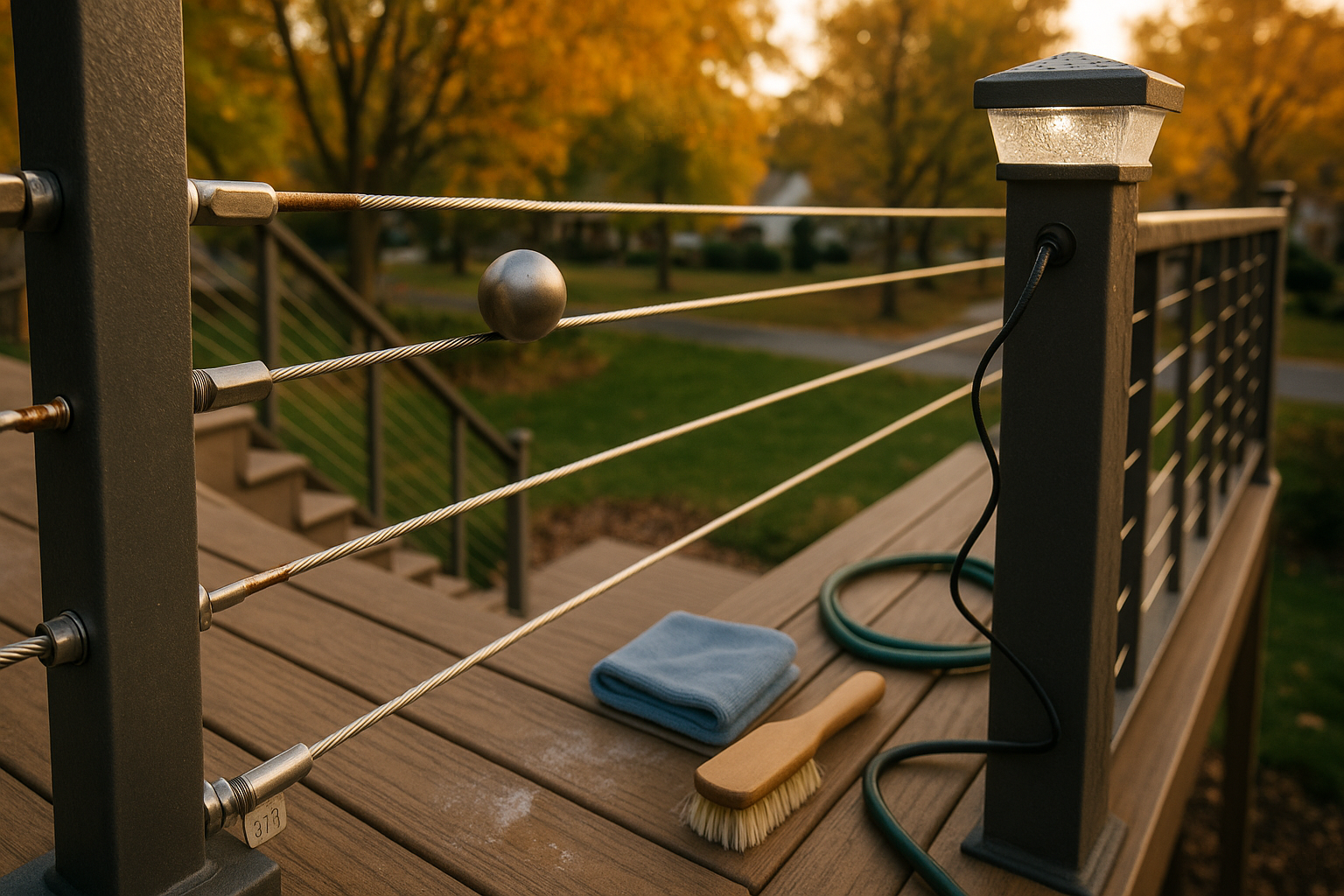
Wood decks need a commitment. Clean them every spring, sand and re-stain or seal every one to three years, and watch for rot starting at screw holes. It's a lot, I know. Composite is way less work. A hose with a gentle nozzle and a soft brush usually does the trick. If you've got heavy tree cover—like those beautiful old neighborhoods in Broad Ripple or Zionsville—sweep off the leaf litter and maple seeds regularly so they don't stain.
We've written a whole guide on getting rid of deck mold and mildew that's worth a read if you're fighting that battle. And something a lot of people don't think about: building a roof over your deck or adding an under-deck drainage system can dramatically extend its life. If you're curious about what a roof adds to the cost, we broke it down in our post on covered deck roof costs in Indianapolis. A covered deck keeps rain and direct sun off both the surface and the frame. It also makes the space usable in Indiana's iffy spring and fall weather. We've installed covered decks that still look brand new five years later while the neighbor's open deck is showing its age.
For those with patio enclosures or screened porches, the deck underneath essentially lives indoors—and lasts forever. If you're on the fence about expanding, we can connect you with a patio enclosure supplier to integrate a screen room right over your existing deck, saving the structure and giving you a bug-free hangout. Privacy fences or windscreens attached to the deck can also reduce wind and some sun, but make sure they don't trap moisture. Our fence crew can design something that breathes.
The Cost Over Time: A Fair Comparison
Yeah, composite costs more upfront. A mid-range composite board might run you two or three times what pressure-treated lumber does. But add up the cost and hassle of staining a wood deck every couple years, and the gap starts to close. Over 20 years, a typical 16x20 deck in Greenwood could easily cost more to maintain in wood than to install composite once. Plus, composite resists fading and scratching better than it used to, so it holds its looks.
And here's a thought: if you plan to sell your home in the next few years, a composite deck can be a selling point. It tells buyers "low maintenance." If you're staying put, the time you save not sanding and staining is worth something too. We can break down the real numbers for your specific lot, taking into account sun exposure, tree cover, and how you use the deck.
So, How Long Does a Deck Last?
It depends on what you build and how you take care of it. A well-built composite deck on a properly flashed frame can last decades in Indianapolis. A wood deck that's loved (and stained every year) can give you a solid 15, maybe 20. But neglect either one, and the Midwest weather will eat it up fast.
If you're looking at your deck and wondering what shape it's really in, don't guess. Give us a call or fill out the form at /#quote. We'll come out, crawl underneath, poke the joists, and give you an honest assessment. No scare tactics, no pushy sales—just a clear plan, whether that's resurfacing, rebuilding, or adding a roof. We work in Indianapolis and all over the donut counties: Carmel, Fishers, Westfield, Noblesville, Greenwood, Brownsburg, Avon, Plainfield. Let's figure out what your deck needs to last.
Thinking about your own deck or pergola?
Free in-home design consultation, 3D rendering, and a written quote — no pressure.