Last spring, my neighbor in Fishers had a very specific dream: a room off the back of his house where he could drink coffee in the morning without fighting off mosquitoes, and watch football in October without freezing. He called three contractors for a three-season room. The first quote came back at $22,000. The second was $48,000. The third guy never showed up. That's the reality of trying to figure out three season room cost in Indianapolis—the numbers are all over the place until you understand what you're actually buying.
The truth is, a three-season room isn't one thing. It can be a glorified screened porch with vinyl windows or a near-sunroom with glass, insulation, and a real roof. And the price per square foot changes based on a dozen small decisions that add up fast. So let's break it down, local-style.
What Is a Three-Season Room, Really?
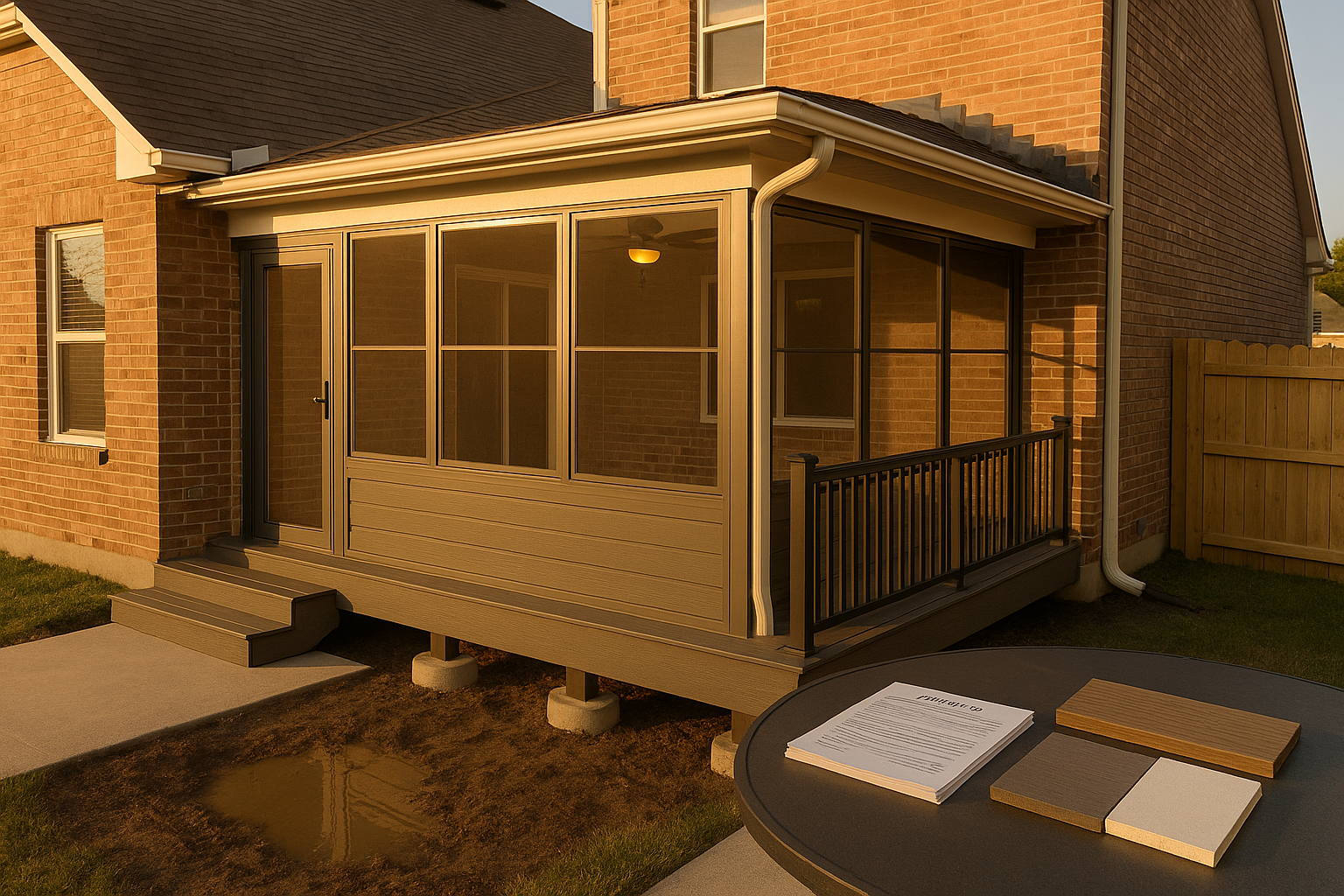
In Indiana, we get about six good months for sitting outside, but those months are split by heat, humidity, thunderstorms, and early frosts. A three-season room is a middle ground—not a fully heated sunroom, not an open deck. It's enclosed enough to keep out rain, bugs, and most wind, but it lacks the insulation and HVAC needed for January nights. Most people use them from April through October, maybe into November if the sun hits right. Compare that to a four-season sunroom, which has insulated walls, double-pane glass, often its own heating and cooling, and costs double or more. And a screened porch just has screens—no glass—so it's cheaper but you're done by October. Around here, a covered pergola with some privacy panels can be a smart lower-budget option, but it's not the same as being able to close a window when the wind kicks up.
What Drives Three-Season Room Cost in Indianapolis?
Let's talk numbers. For a modest 12x14 three-season room on an existing concrete patio, you might get quotes from $18,000 to $30,000. If you need new footings, a slab, roof tie-in, and a full Eze-Breeze window system, you're looking at $35,000 to $55,000. Price per square foot usually lands between $120 and $250, depending on finish level. That's a big range, but here's what moves the needle.
-
Foundation and site prep: In Central Indiana, frost depth is about 36 inches, so footings for a new room have to go deep. An existing deck might not have footings that meet code for a heavy enclosure. You might need to add piers or pour a small slab. Foundation cost for a sunroom can run $2,000 to $8,000 depending on access and soil. Clay soil in Indy can shift with moisture, so an engineer might need to sign off.
-
Windows and enclosure: The big one. Vinyl sliding windows with screens (like an Eze-Breeze system) cost less than glass windows, but they still add up. Eze-Breeze window system cost runs $50 to $80 per square foot of opening installed, sometimes more. Glass windows with insulated frames can double that. If you want to use the room in late fall, better windows matter.
-
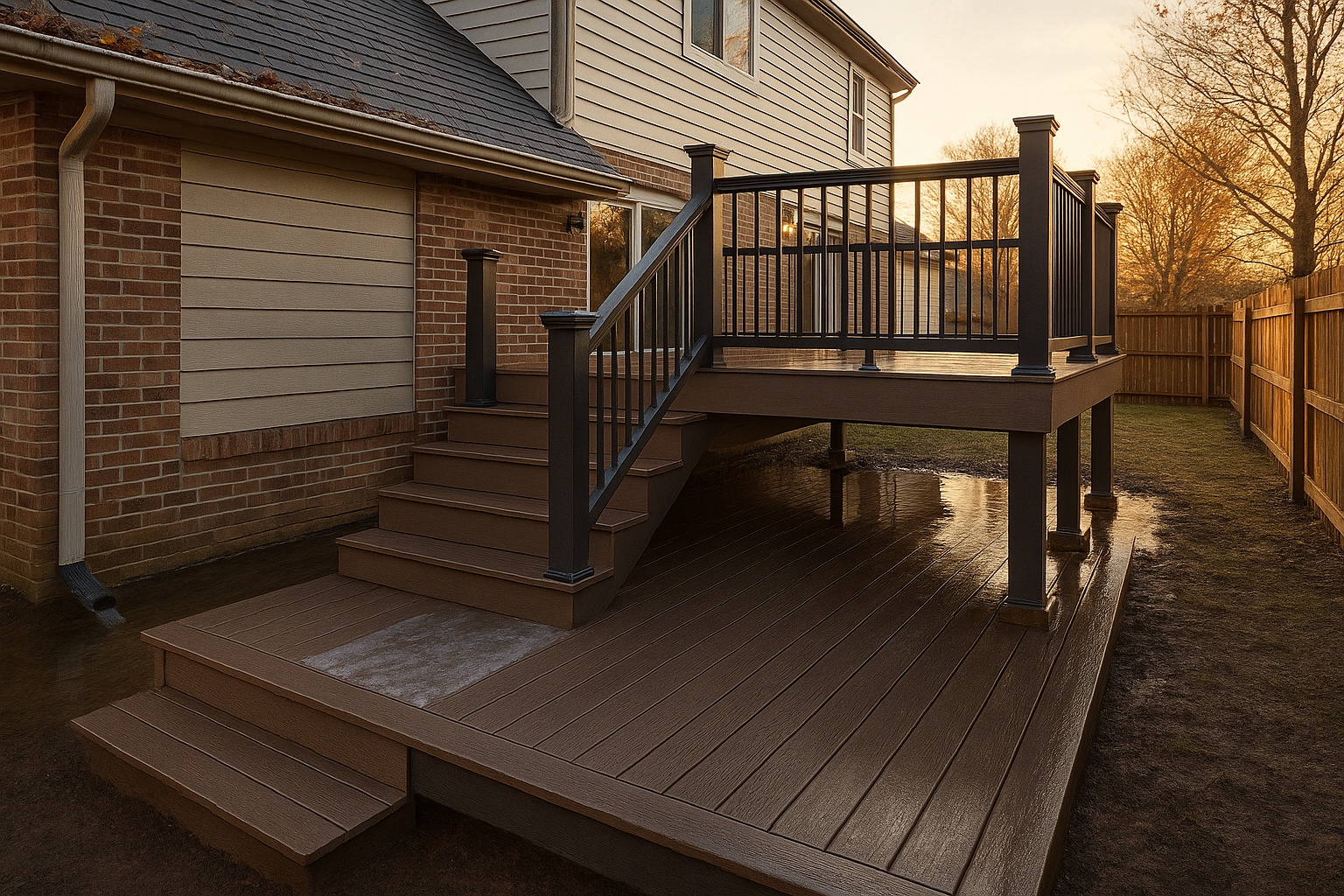
Roof and water management: Attaching a roof to your existing house is the trickiest part. You need proper flashing, maybe new gutters and downspouts, and if you have a brick home (common in Indianapolis), the masonry tie-in needs extra care to avoid leaks. Downspout rerouting is a common add-on because our clay soil doesn't drain well. If your roof tie-in is complex, expect an extra $1,500 to $4,000.
-
Electrical: A ceiling fan, a few outlets, and some lights. Electrical cost for a sunroom addition runs $800 to $2,000 for basic work, more if you need a new circuit from the panel.
-
Doors: A nice sliding glass door from the house into the room is $1,000 to $3,000 installed. If you have an existing patio door, you're ahead.
-
Size and shape: A simple rectangle on one level is cheapest. Add angles, a hip roof, or a bump-out and the price climbs.
As a contractor, DeckPros sees these numbers every week. We also do fence work (a privacy fence can make the whole backyard feel bigger), railing replacement if your existing deck railing is old, and we supply patio enclosures if you want to go the Eze-Breeze route yourself. But we'll touch on that later.
Permits, HOA, and Realistic Timelines Around Indy
No matter which suburb you're in—Carmel, Zionsville, Westfield, Noblesville, Greenwood—you'll need a building permit. In Indianapolis proper, the Department of Business and Neighborhood Services reviews sunroom additions. Hamilton County has its own timeline, often adding a week or two for plan review. Some HOAs in Fishers and Carmel require design approval before you even apply for a permit. We've seen HOA boards take three weeks to approve a roofline. That's why we tell clients to budget 4 to 8 weeks for design, permits, and material ordering before we even swing a hammer. Window lead times, especially for Eze-Breeze or insulated roof panels, can be 6 to 10 weeks in spring. If you're planning for summer use, start in winter. For more on that, read our article on deck material lead times.
We wrote a whole piece on Hamilton County permit timelines if you want the gritty details. And if your roof addition changes where water flows, you'll need to handle deck drainage and downspout conflicts. That's a quick fix but ignore it and you'll have mud puddles against your foundation.
Covered Pergola vs Screened Porch vs Three-Season Room: Which Cheaper Option Wins?
A covered pergola cost in Indianapolis runs $8,000 to $20,000 for a solid wood or composite structure, often less than half of a three-season room. It gives shade and some rain protection, but no bug protection and no wind block. A screened porch cost in Indianapolis is usually $15,000 to $35,000, depending on roof and screens. It keeps bugs out but doesn't stop cold air or rain blowing in. A three-season room with vinyl windows is like a screened porch that can button up. The pergola vs sunroom cost debate usually comes down to how many months you want to use the space. If you're okay with May through September, a covered pergola or screened porch is a great call. If you want April and October, too, the three-season room earns its keep.
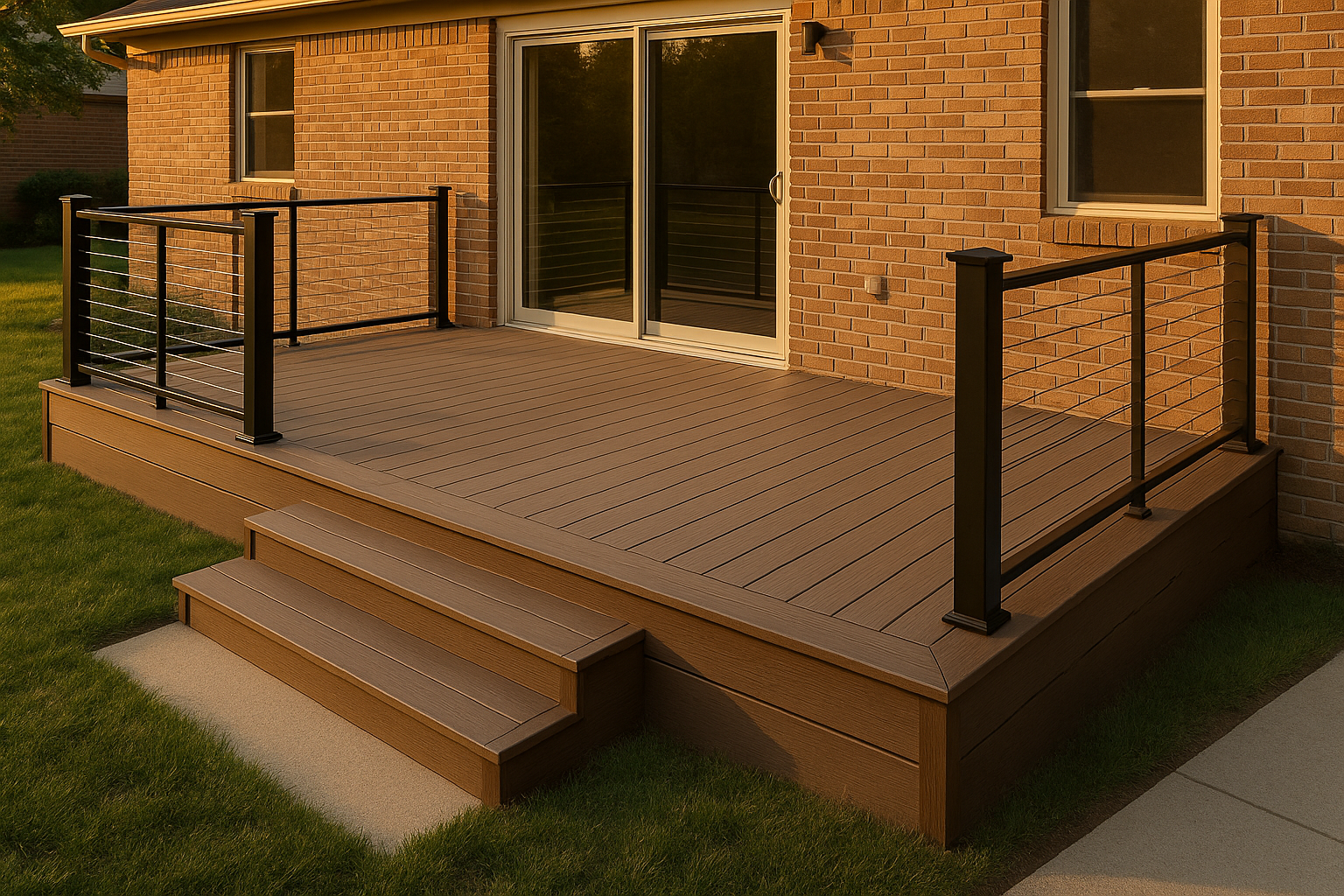
As a patio enclosure supplier, we stock and install Eze-Breeze window systems, so if you do a screened porch now, you can add vinyl panels later and turn it into a three-season room without tearing down the frame. That's a smart upgrade path if your budget is tight this year. And as a railing contractor, if your existing deck railing doesn't meet height or strength requirements for an enclosure, we'll replace it as part of the project.
Hidden Costs and How to Budget Like a Local
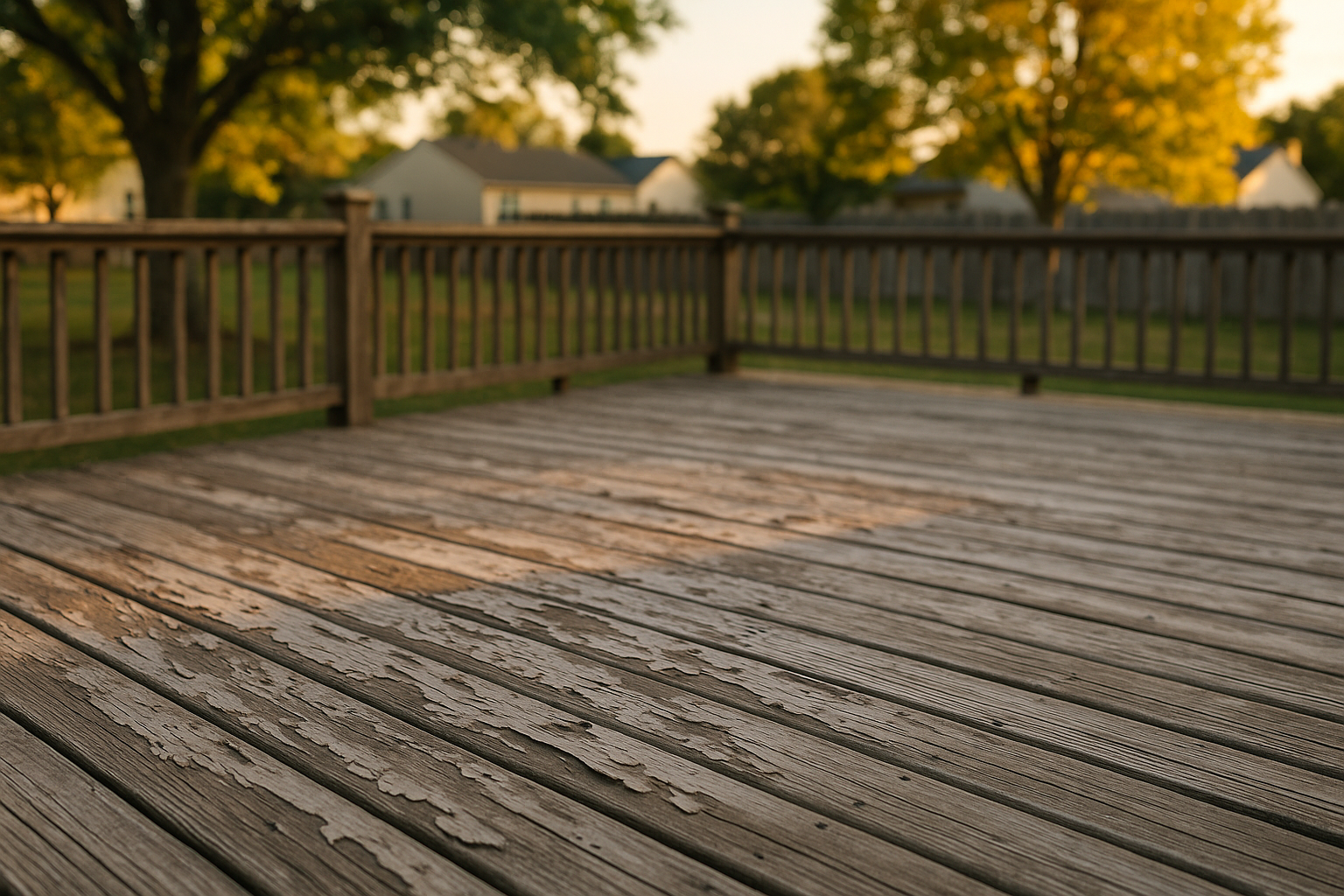
Beyond the big-ticket items, watch out for HOA approval fees (usually under $100), engineering if your roof tie-in needs stamped drawings ($500 to $1,500), gutter and downspout additions ($300 to $800), tree removal for site access if needed, and extra electrical for a space heater or TV. Also, if you're replacing the deck floor anyway, composite decking for a screened porch is a big upgrade but worth it for moisture. Check our deck cost per square foot guide to understand material choices.
How DeckPros Fits In
We're not going to pretend a three-season room is always the right answer. Sometimes a covered pergola with a ceiling fan and a privacy fence does 80% of the job for half the money. Other times, a full enclosure with Eze-Breeze panels is exactly what you need. As a licensed contractor in Indianapolis, we handle everything from footings to finish trim, and we'll walk you through the permit process. We can also build the privacy fence, upgrade the railing, and supply the patio enclosure materials if you want to self-manage. The goal is to give you honest numbers before you sign anything. So if you're comparing three-season room costs and want a local crew to help you decide, book a planning consult at /#quote. We'll come out, measure, talk through options, and give you a realistic budget range—no pressure, just clarity.
Thinking about your own deck or pergola?
Free in-home design consultation, 3D rendering, and a written quote — no pressure.