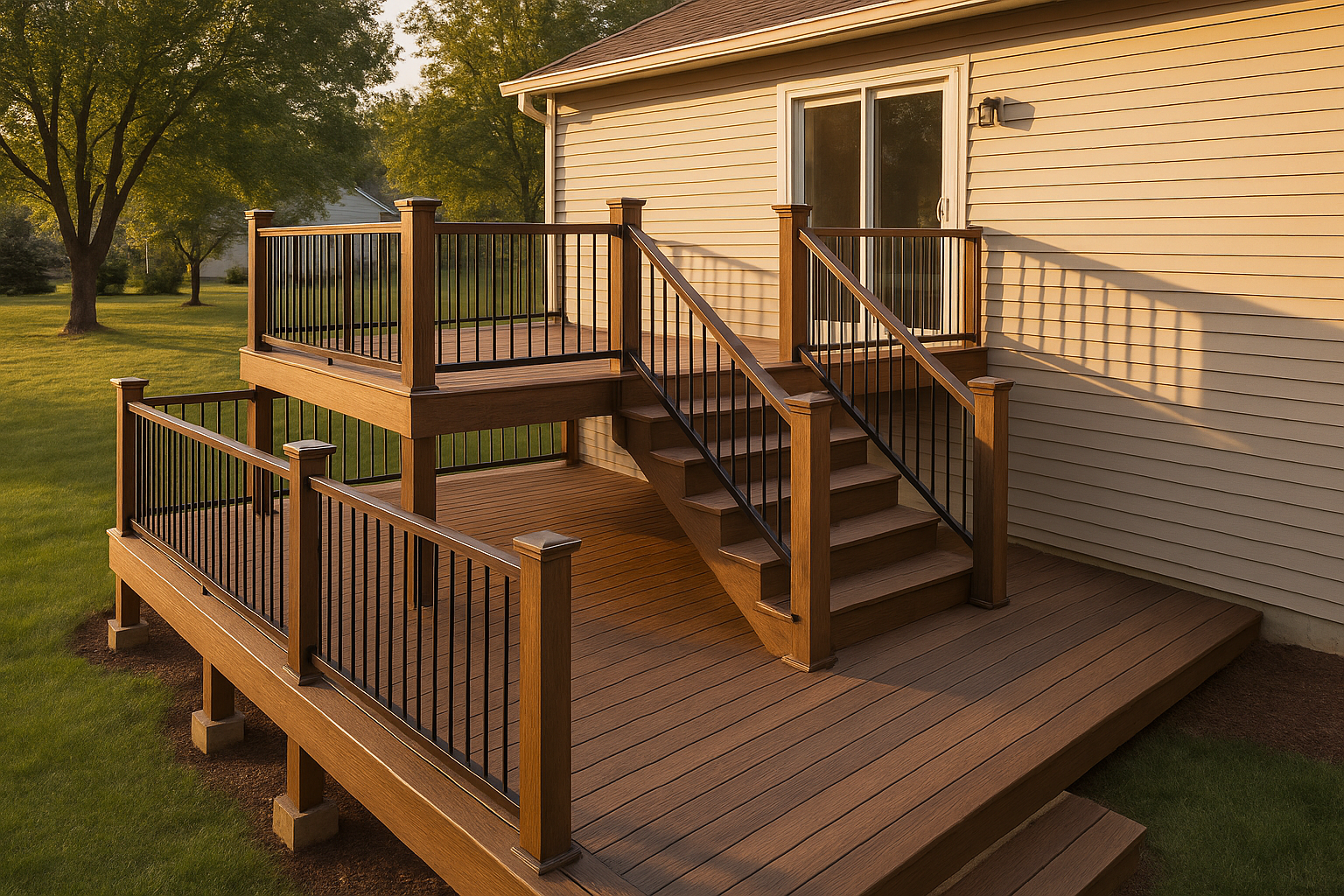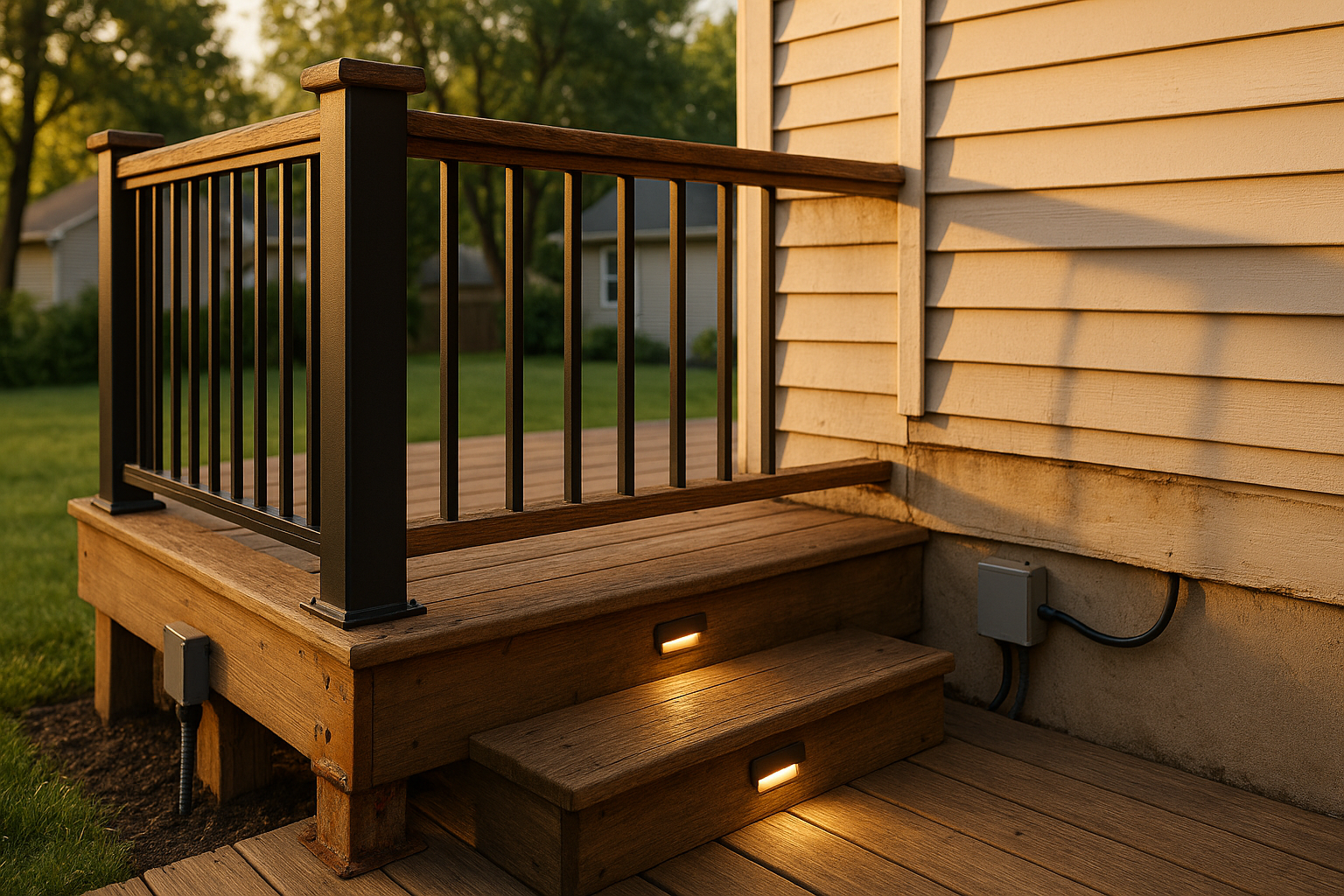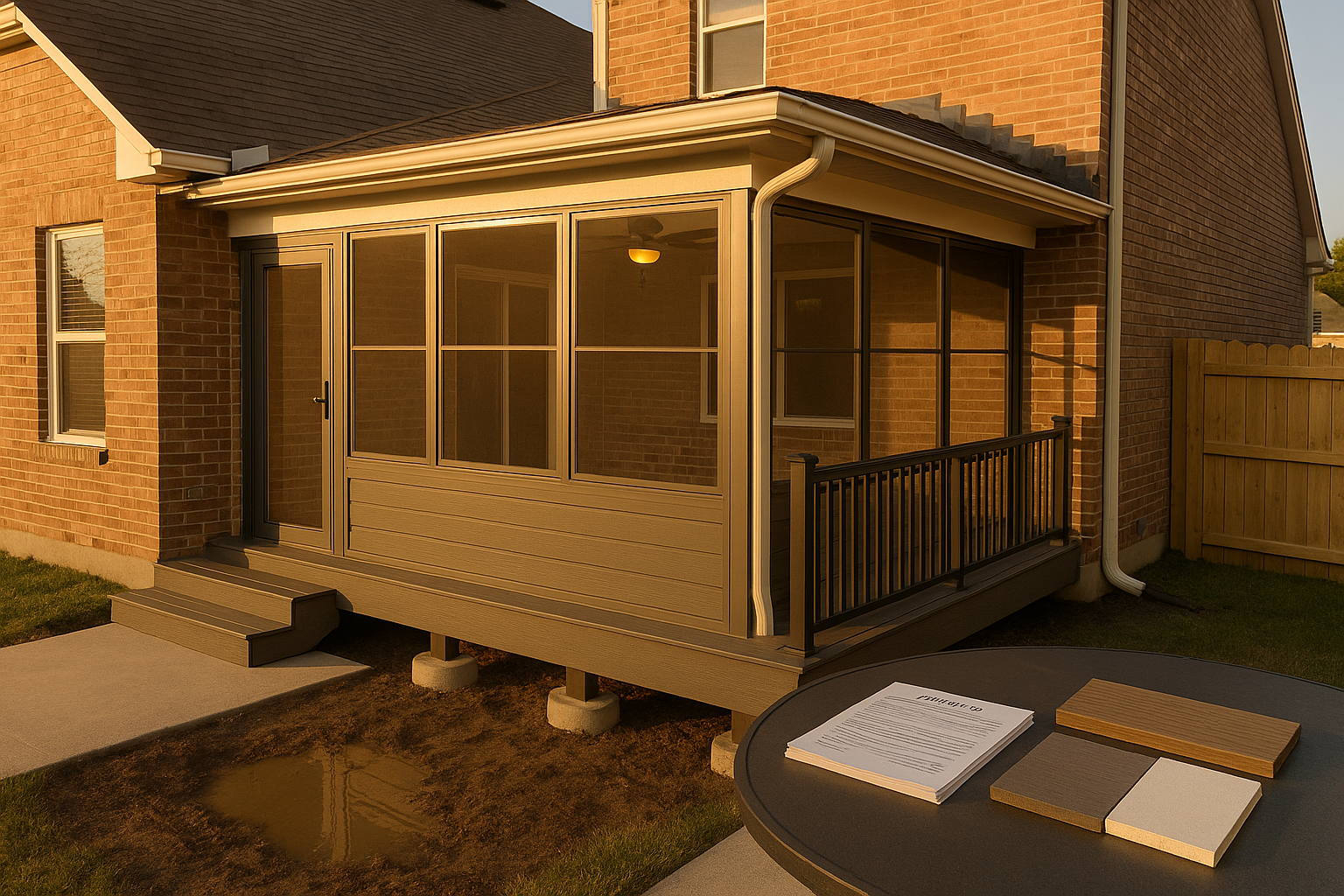
My buddy Jake lives in a newer Noblesville subdivision where the houses sit about ten feet apart. Last July, he invited us over for burgers, and the whole time his neighbor was on their deck watching TV loud enough to hear every line. Jake just sighed. "I can't even enjoy my own deck anymore," he said. So we started looking up deck privacy wall ideas, and honestly? The options were overwhelming.
Turns out a lot of homeowners around Indianapolis, Carmel, Fishers, and Zionsville deal with the same thing. Between close lot lines, two-story neighbors, and those west-facing evening sun angles, a deck can feel like a stage. Here's what I've learned from helping folks design walls that actually work.
Deck Privacy Wall Ideas That Fit Indianapolis Homes
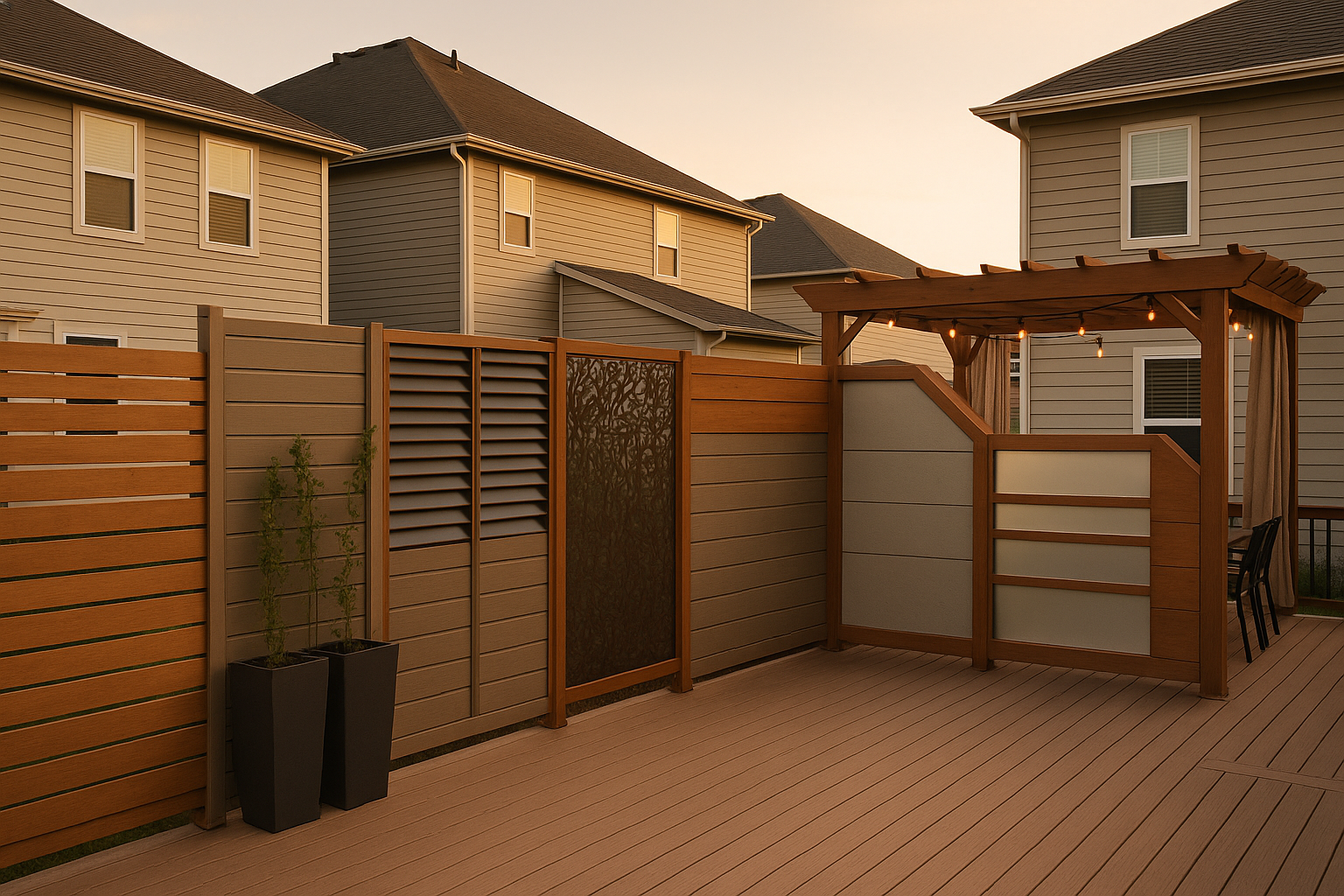
The best privacy walls don't turn your deck into a box. They block the sightlines you don't want while keeping light and breeze. For a modern look, horizontal cedar slat screens with consistent gaps are a favorite. They read clean, let air move, and give you that finished backdrop without full enclosure. Composite privacy panels do the same job with less upkeep—they won't warp or need staining like wood.
If you want to adjust how much you see and when, louvered panels are worth a look. Fixed louvers angle the slats to block the neighbor's window but still catch the breeze. Operable ones let you open them up on cooler evenings. Patio enclosure suppliers often carry louvered or frosted glass options, and a deck builder can frame them into your deck's structure.
For a softer feel, a trellis wall with climbing vines or tall planter boxes with steel cables gives you a green screen in summer and more openness in winter. A fence contractor who also does deck work will tell you a trellis wall is basically a fence panel for your deck—same post depth, same wind load considerations.
If you want something more decorative, powder-coated aluminum or laser-cut steel screens framed in cedar or metal posts can look sharp. When these replace a section of deck railing, you're really upgrading the railing system. A railing contractor's experience with guard heights and structural connections makes sure the privacy wall is safe, not just pretty.
Don't Wall Yourself In — Let Light and Air Through
One big fear with privacy walls is that they'll make the deck feel dark and cramped. It doesn't have to be that way. You don't need to enclose the whole perimeter. A corner 'L' wall is perfect for a dining nook or hot tub—it blocks the two sightlines that matter and leaves the rest of the deck open. Step or taper the panels so they don't feel like a solid fence.
Frosted or obscure tempered-glass panels are another option if you hate the idea of losing daylight. They block views but let the sun filter through. They also cut the west wind that whips across Noblesville decks in the late afternoon. Pair a glass panel with a horizontal slat section and you get privacy with architecture.
And if you want shade plus privacy, a pergola with side lattice or outdoor curtains on the west or neighbor-facing edge is a smart combo. Check out our pergola shade solutions for more ideas. The lattice gives you the screen, and the pergola gives you a place to hang plants or string lights.
Indiana Weather Doesn't Mess Around
Your privacy wall has to handle more than just nosy neighbors. Midwest wind gusts can turn a poorly anchored wall into a sail. That's why you don't just screw posts to the deck boards. A good contractor will tie the posts into the deck framing, add blocking between joists, and use heavy-duty brackets rated for exterior use.
Freeze-thaw cycles are another beast. If your wall is free-standing, deck footings need to go below the frost line—we covered Indiana frost depth here. If you're adding to an existing deck, the builder has to verify the frame can carry the extra load. And moisture? Keep deck board gaps at the wall base so water doesn't pool, flash any post penetrations, and cap horizontal surfaces. Hidden fasteners help too—they look cleaner and don't leave holes for water to sit in. We compared hidden fasteners vs face screws.
Codes, Permits, and HOA Headaches
In Indianapolis, a privacy wall might be reviewed differently than a simple guardrail. The City of Indianapolis Department of Business and Neighborhood Services (BNS) handles permits, and many HOAs in Noblesville, Carmel, and Westfield have their own rules about height, materials, and visibility. You don't want to build a nice cedar screen and then get a letter to tear it down.
That's where working with a deck builder who knows local codes pays off. DeckPros starts with an on-site assessment, measures sightlines, and puts together a permit-ready plan. They'll check your HOA guidelines early so you're not stuck redesigning. It's boring stuff, but it saves you money and headaches.
DIY vs. Hiring a Pro: What Actually Makes Sense
You could build a simple privacy wall yourself, especially if it's a small trellis or planter screen. But for anything over four feet tall, wind load, footings, and structural connections get real. A pro will tell you if your deck frame can handle the extra weight. They'll also match materials to your existing decking so you don't end up with a wall that looks bolted on.
Cost-wise, a custom deck privacy wall in the Indy area usually runs from a couple hundred dollars per linear foot for basic cedar to much more for composite, glass, or operable louvers. Maintenance matters too: cedar needs sealing every year or two, composite just needs a wash. If you're already spending money on a new deck, it makes sense to have the privacy wall designed in from the start.
At DeckPros, we're not just deck builders—we handle the contractor side, fence panels, patio enclosure materials, and railing systems so the whole thing ties together. If you're tired of feeling like you're on display, let's talk. No pressure, just an honest look at your deck and what will work. Request a quick quote. We'll come out, measure, and give you a plan that won't fall down in the first storm.
Your deck should be your backyard escape, not a stage.
Thinking about your own deck or pergola?
Free in-home design consultation, 3D rendering, and a written quote — no pressure.