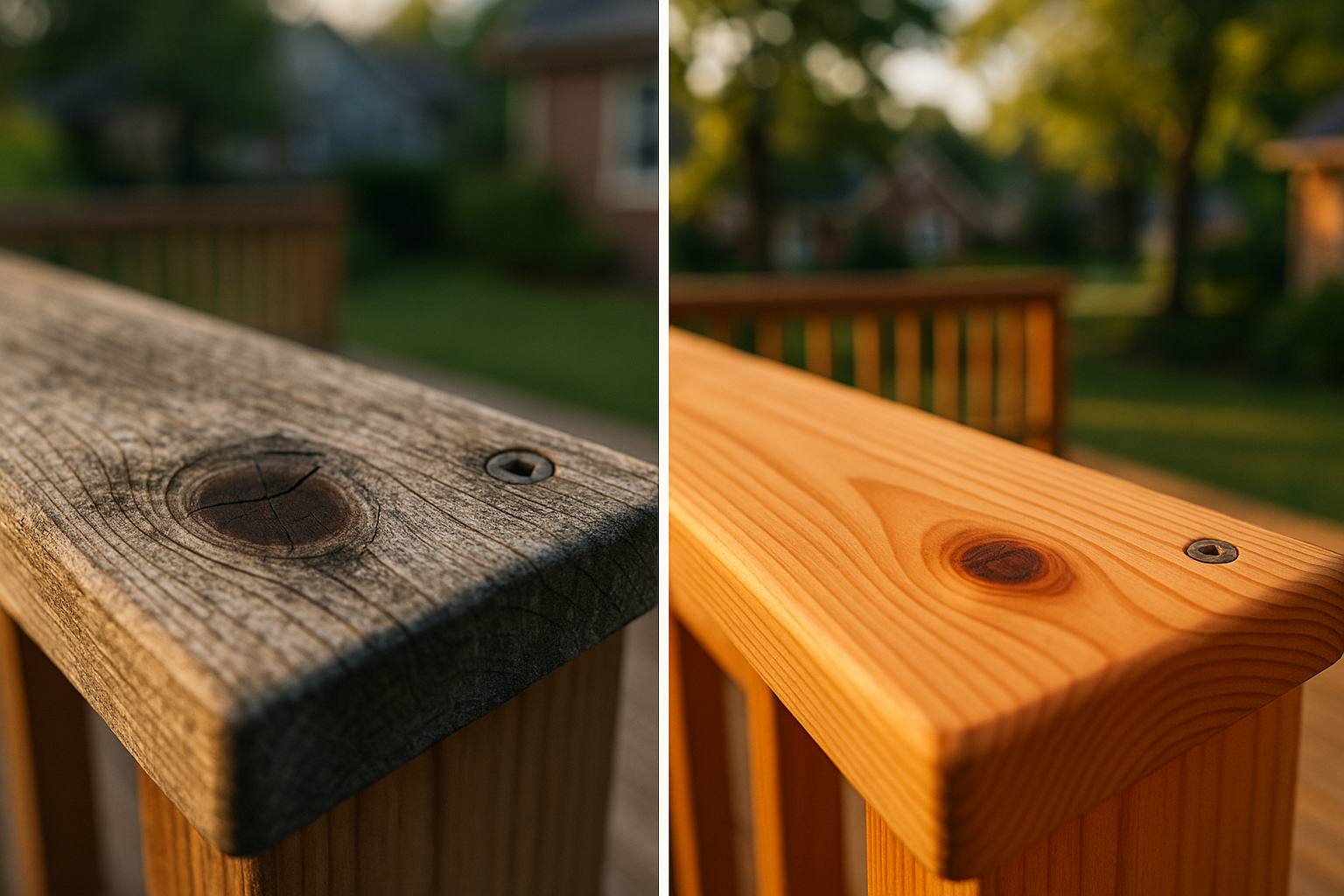
Last summer, a client in Zionsville called me in a panic. Her old wood deck looked fine from the patio door, but when she stepped outside, the stairs wobbled and a few boards felt spongy. She wanted to upgrade — new railing, maybe composite decking — but didn't know if she could just resurface or needed a full rebuild. She was worried about cost, permits, and how long it would take. Sound familiar?
That's why I always tell homeowners: plan first, buy materials second. A deck upgrade in Zionsville isn't just about picking pretty boards. It's about making sure the structure underneath is safe, the permits are in order, and the final deck fits your home and your HOA's rules. Let's walk through everything you need to know before you sign a contract.
Is Your Deck a Candidate for Resurfacing?
Resurfacing sounds easy — pull off old boards, screw on new ones, done. But if the frame, ledgers, or footings are rotten or undersized, you're just covering up problems. I've seen decks where the ledger wasn't bolted to the house, or the footings didn't go deep enough for Indiana's frost line (36 inches around here). Those decks need a full rebuild. On the other hand, if the framing checks out — no rot, proper fasteners, good drainage — resurfacing can save you thousands.
What We Look For During an Inspection
- Ledger attachment: Is it bolted through the rim joist with proper lag screws or structural screws? Does it have flashing to keep water out? If not, that's a red flag. (We've got a whole blog post on signs your deck ledger may be a problem.)
- Footings: For a deck attached to a house, footings should be below frost depth — usually 42 inches in Central Indiana clay soil. If they aren't, the deck will heave and settle.
- Drainage: Does water pool under the deck? If so, you'll want to add drainage and waterproofing now, not later.
Materials That Handle Indiana's Freeze‑Thaw and Humidity
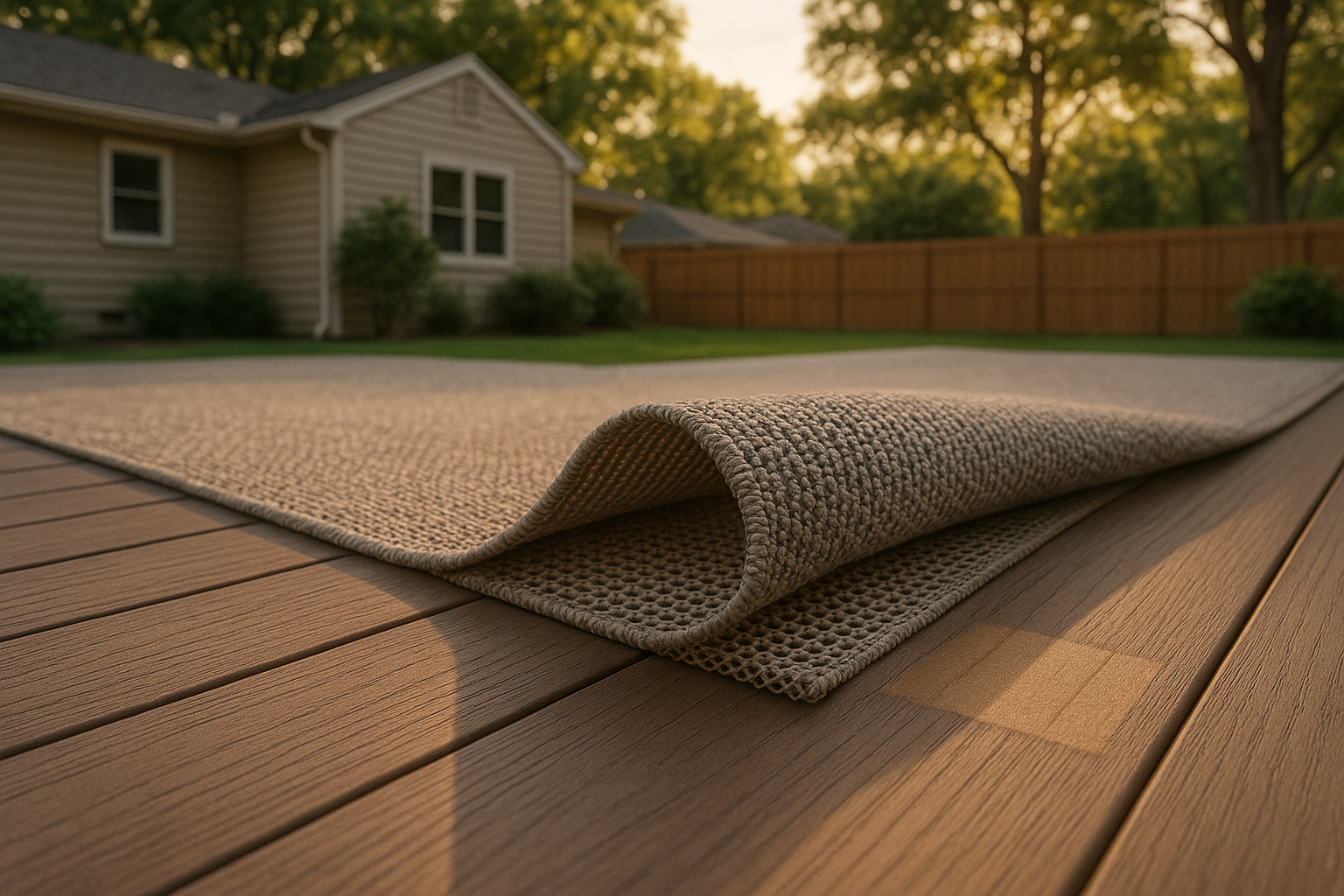
Wood decks used to be the go-to, but they cup, crack, and rot faster in our climate. That's why most homeowners upgrading now go with composite or PVC decking. Brands like Trex and TimberTech hold up well. They don't splinter, they resist moisture, and they need way less maintenance. Downside? They can get hot in summer. But here in Zionsville, with lots of shade from mature trees, that's less of an issue.
For framing, don't cut corners. Use pressure-treated lumber rated for ground contact — even for above-ground decks. Fasteners should be stainless steel or coated to resist corrosion. Trust me, nothing's worse than seeing rust stains on brand new deck boards.
Railings That Keep Your Views (and Pass Inspection)
Zionsville's code requires railings on decks 30 inches or higher. For homes backing up to ponds or greenbelts — which a lot of ours do — you want something that doesn't block the view. Aluminum rail is sturdy, low-maintenance, and meets code. Cable rail is more modern and nearly invisible, but it needs tensioning and costs more. Both pass inspection. We wrote a comparison of cable rail vs. aluminum rail for modern decks if you want details.
If you're a homeowner in a neighborhood like Stonegate or The Willows, you'll likely need HOA approval. The HOA may require specific railing styles and colors. We handle those drawings and submissions as part of the permit process — no extra stress on you.
Permits, HOA Rules, and Timing
Zionsville requires a building permit for any structural work — including deck replacement. A deck resurfacing that doesn't touch the framing may not need one, but it's a gray area. We always pull permits when required. It protects you and ensures the work passes inspection. Plus, if you ever sell the house, the buyer's agent will want to see that the deck was permitted.
As for timing: spring is crazy. Every contractor in Indianapolis is booked out weeks or months. If you want your deck ready for summer barbecues, start planning in January or February. Winter builds are totally fine — the ground is frozen, but footings can be dug in advance or poured with concrete additives. We often build decks in December for clients who want an early spring finish. Don't let snow scare you.
Safety Upgrades That Actually Matter
Wobbly stairs are a lawsuit waiting to happen. Every stair should have risers within code (7.75 inches max) and treads deep enough (10 inches minimum). Handrails must be graspable — you can't cheat with a 2x4. We always add LED lighting to the stairs and along the deck edge. It's not just pretty; it keeps people from tripping at night.
Water Management Protects Your Deck and Your Home
Most deck failures start with water getting into the ledger or rim joist of the house. Proper flashing — metal or self-adhered membrane — is non-negotiable. We also recommend drip edges on the deck boards and a deck drainage system under the deck if there's a patio or door below. In heavy rains (and we get plenty), that keeps everything dry.
Add Comfort: Shade, Privacy, and Lighting
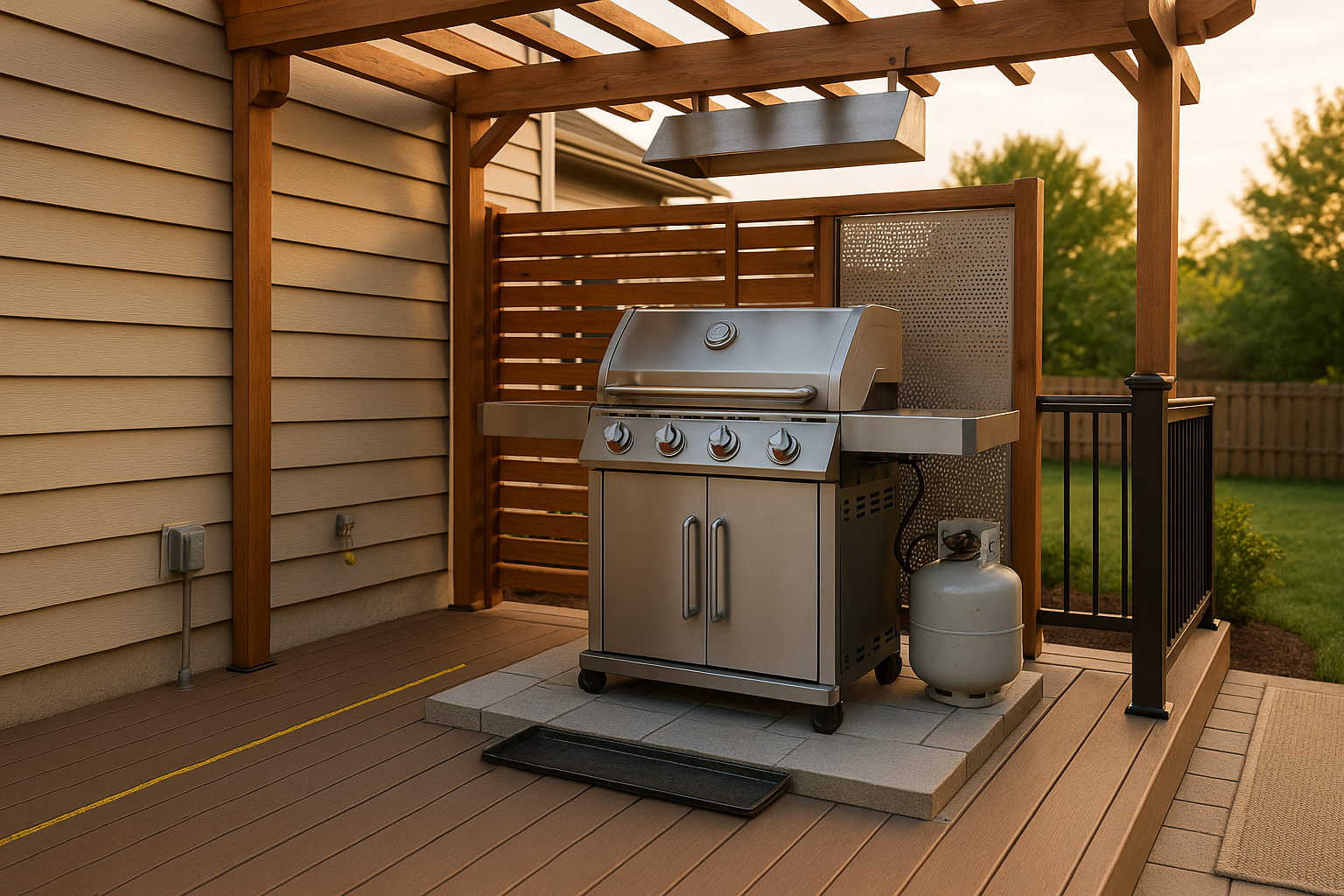
A deck upgrade in Zionsville often includes a pergola or covered porch to block the sun and rain. Privacy screens are big too — especially on newer homes that sit close together on smaller lots. We can integrate screens into the railing or use lattice at the sides. For lighting, we love low-voltage LED strips under the rail cap or integrated into the stair treads. It sets a mood and helps you use the deck after sunset.
Outdoor Kitchens and Heavy Additions
If you want a grill island, pizza oven, or bar, the deck structure has to support the load. That means extra joists, deeper footings, and possibly a concrete pad underneath. Don't buy appliances before you know the deck can carry them. We help plan the layout so everything fits and stays safe.
Budget and Timeline: What to Expect
Every project is different, but here's a rough guide:
- Resurface (new boards, same frame): $8,000–$15,000 depending on material and size. Typically 1–2 weeks.
- Partial rebuild (new boards, new rail, maybe a few new joists): $15,000–$25,000. 2–3 weeks.
- Full rebuild (new everything, including footings): $25,000+. 3–6 weeks.
These numbers include materials, labor, permit fees, and cleanup. We always give a written proposal before work starts, so there are no surprises.
Take the Next Step: An On‑Site Consultation
Before you decide on materials or colors, let a professional look at your deck. We'll inspect the framing, check the ledger, see what the HOA requires, and talk through options. Then we'll give you a clear proposal with scope, timeline, and cost. No pressure, no jargon. Just honest advice.
Schedule your DeckPros consultation today. We serve Zionsville, Indianapolis, Carmel, Fishers, Westfield, Noblesville, Greenwood, Brownsburg, Avon, and Plainfield. Let's build a deck that lasts through every Indiana season.
Thinking about your own deck or pergola?
Free in-home design consultation, 3D rendering, and a written quote — no pressure.