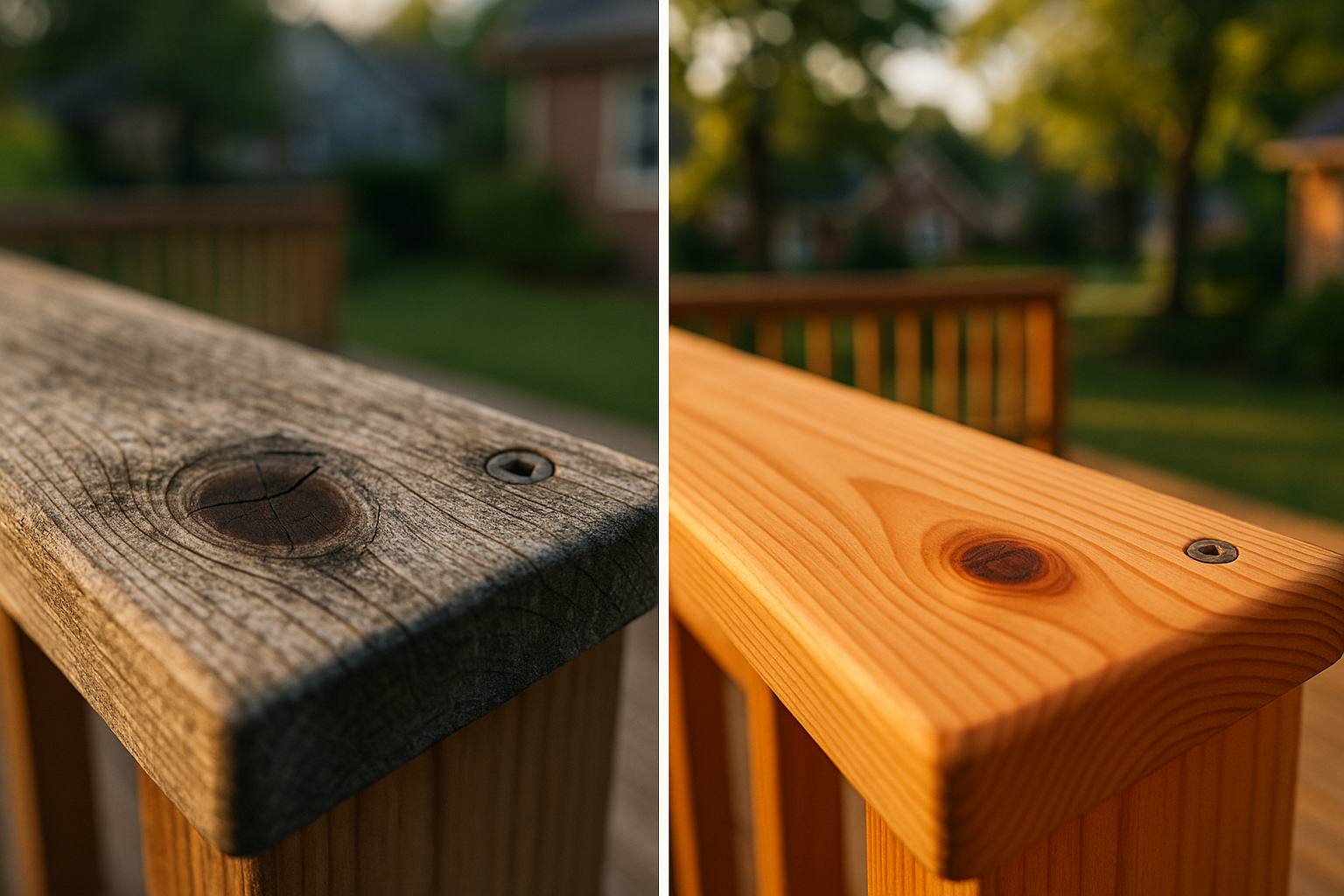
Last spring, a client in Carmel called me, frustrated. Her pressure-treated deck, only six years old, looked rough—splintering boards, a few loose nails, and a patch of rot near the steps. She'd stained it twice in those six years, but the Indy winters kept taking their toll. She was ready to rip it all out. But should she replace it with wood again, or switch to composite? That's the big question for a lot of homeowners around here.
If you're weighing composite vs wood deck Indianapolis, you're probably looking for something that looks good, holds up, and doesn't turn into a weekend chore. Let's walk through what matters most in our climate.
Upfront Cost vs. Lifetime Cost
Let's get the money talk out of the way first. Wood—pressure-treated pine, cedar, or even tropical hardwood—costs less upfront. A typical wood deck in Indianapolis might run $15–$25 per square foot installed. Composite, like Trex or TimberTech, is more like $25–$40 per square foot installed. So yeah, composite is pricier at the start.
But here's the thing: wood needs maintenance. Every two to three years, you're either renting a sander or paying someone to clean, seal, or stain. In our humid summers and freeze-thaw springs, wood decks soak up moisture, then dry out, then crack. Over 15 years, you could spend thousands on maintenance and repairs. Composite? You wash it with a garden hose once a year. That's it. Over the long haul, composite often wins on total cost of ownership, especially if you plan to stay in your home for a decade or more.
Maintenance Differences in the Indianapolis Climate
I've seen it a hundred times. A wood deck in Fishers looks great the first year. By year three, the stain is peeling, and there's green algae in shady corners. Our climate is tough on wood. Spring rains, humid summers, and those freeze-thaw cycles cause wood to check (those little cracks), warp, and eventually rot if moisture gets trapped. Composite, on the other hand, is designed to resist all that. It won't rot, splinter, or attract insects.
But composite isn't maintenance-free. In shaded yards—lots of homes in Zionsville have big trees—composite can grow mold or mildew if you don't clean it. A quick wash with a composite-safe cleaner once a year usually does the trick. No staining, no sealing. That freedom is a big reason people choose composite.
Aesthetics and Feel
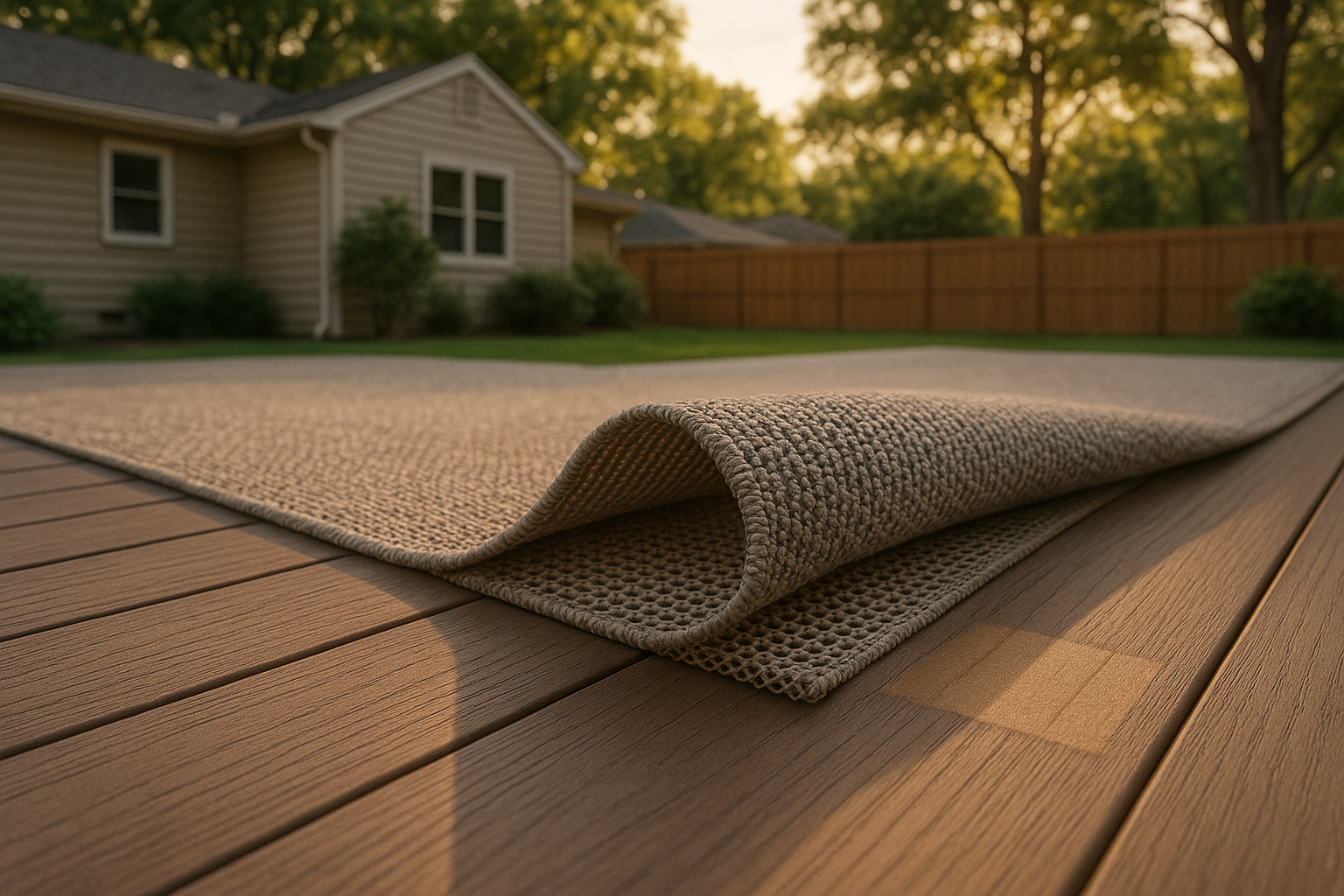
Some folks worry composite looks fake. I get it. Early composites had a plastic-y look. But today's capped composites, like Trex Transcend or TimberTech Azek, have realistic wood grain, subtle color variation, and hidden fasteners for a clean look. They come in colors that mimic cedar, mahogany, or gray-weathered wood.
Wood has an authentic feel that's hard to beat. There's nothing like the grain of a cedar plank or a rich stained mahogany. But wood will weather. It'll turn gray if you don't stain it, and it can splinter over time. If you love the natural look and don't mind upkeep, wood might be right for you. But if you want a consistent, low-hassle deck that stays pretty, composite is a solid choice.
Comfort and Safety
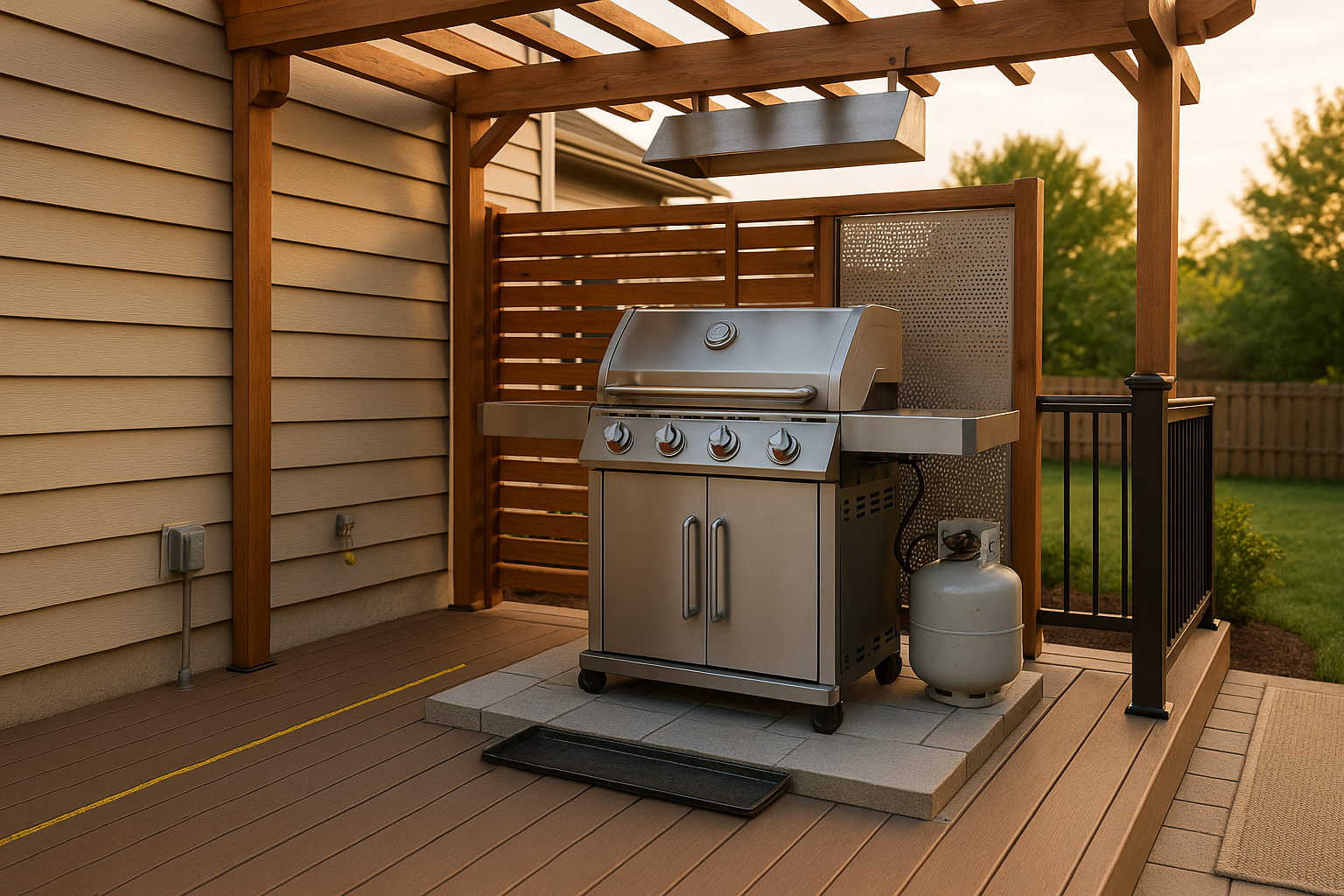
Indianapolis summers can be brutal. On a 95-degree day, a dark composite deck can get hot—like, uncomfortable to walk on barefoot. Lighter colors help a lot, and you can add shade with a pergola or position your deck on the north side of the house. Wood also gets hot, but not quite as much as dark composite.
Slip resistance is another factor. Our winters bring snow and ice. Wood decks can get slippery when wet, especially if algae grows. Many capped composites have textured surfaces that provide better grip. For stairs, we always recommend slip-resistant treads, no matter the material. And a good aluminum or composite railing (yes, we build those too) adds safety and ties the look together.
Durability and Repair
Composite is tough. It resists rot, insects, and splinters. But it can scratch and fade over time, especially budget brands. The good news: premium composites come with long warranties (25–50 years). If a board gets damaged, you replace that board. With wood, you can sand and spot-fix, but eventually, you might need to replace multiple boards. In Indy's climate, a well-maintained wood deck lasts 10–15 years. Composite can easily last 25–30 years.
Local Code and Permits
A lot of homeowners in Greenwood or Avon ask me about permits. Yes, you need a permit for a deck in Indianapolis and most suburbs. The code covers footing depth, ledger attachment, railing height, and stair dimensions. We handle all that as part of our planning consultations. It's not a hassle if you work with someone who knows the local rules. For example, in Carmel, they're strict about steps and railings. We build every deck to code, so inspections go smooth.
Environmental Angle
Composite decks often use recycled wood fibers and plastic. Trex, for instance, uses reclaimed materials. So you're keeping waste out of landfills. Wood, if sourced responsibly, is renewable. But the finishes you apply (stains, sealers) contain chemicals. Over 25 years, composite might have a smaller environmental footprint if you avoid those chemicals.
Choosing the Right Material
So which should you pick? Here's my quick take:
- Choose composite if you want low maintenance, a long lifespan, no splinters, and you're okay paying more upfront. Great for families with kids, shaded yards, or if you just don't want to spend weekends staining.
- Choose wood if you love the natural look and feel, are on a tighter budget, or enjoy DIY maintenance. Wood is also easier to customize with different stain colors.
Railing Options
Your deck's look isn't just the boards. Railing plays a huge role. We install wood rails for a classic match with wood decks, or aluminum and cable rails for a modern, clean line. Composite rails match composite decks perfectly and never need painting. We're also a railing contractor—so we'll help you pick what fits your style and budget.
Fencing and Enclosures
Sometimes a deck project leads to other outdoor improvements. Maybe you want a fence to match, or a patio enclosure to screen in part of the deck. We do that too. If you're tying your deck into a new patio or enclosed area, plan it all together for a cohesive space.
Ready to Decide?
The best way to figure out what's right for your home is to talk it through. We offer a planning-first consultation where we walk your yard, talk about your budget, and show you both materials side by side. No pressure, just honest advice. Schedule a site assessment with us and we'll help you make the call. Whether you go composite or wood, you want a deck that works for you—and we build it right the first time.
Thinking about your own deck or pergola?
Free in-home design consultation, 3D rendering, and a written quote — no pressure.